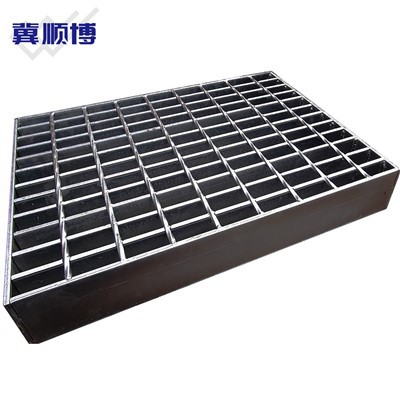
Stainless steel grating is a versatile and widely used product in various industries, from construction to manufacturing. One of the most critical properties of stainless steel grating is its fatigue resistance. As a supplier of stainless steel grating, I’ve had the opportunity to delve deep into this topic, and I’m excited to share my insights with you. Stainless Steel Grating
Understanding Fatigue in Materials
Before we discuss the fatigue resistance of stainless steel grating, it’s essential to understand what fatigue is. Fatigue is the weakening of a material caused by cyclic loading. When a material is subjected to repeated stress, even if the stress is below its ultimate strength, it can lead to the formation and propagation of cracks over time. Eventually, these cracks can cause the material to fail.
This phenomenon is particularly relevant in applications where stainless steel grating is exposed to dynamic loads, such as pedestrian walkways, industrial platforms, and bridge decks. In these scenarios, the grating is constantly subjected to the weight of people, vehicles, or equipment, which creates cyclic stress.
Factors Affecting the Fatigue Resistance of Stainless Steel Grating
Several factors influence the fatigue resistance of stainless steel grating. Let’s take a closer look at each of them.
Material Composition
The type of stainless steel used in the grating plays a significant role in its fatigue resistance. Different grades of stainless steel have varying chemical compositions, which affect their mechanical properties. For example, austenitic stainless steels, such as 304 and 316, are known for their excellent corrosion resistance and good fatigue properties. These steels contain high levels of chromium and nickel, which contribute to their strength and ductility.
On the other hand, ferritic stainless steels have lower nickel content and are generally less ductile than austenitic steels. While they offer good corrosion resistance in certain environments, their fatigue resistance may be inferior in applications with high cyclic loading.
Manufacturing Process
The way the stainless steel grating is manufactured also impacts its fatigue resistance. Processes such as hot rolling, cold rolling, and welding can introduce residual stresses in the material. These residual stresses can act as stress concentrators, increasing the likelihood of crack initiation and propagation under cyclic loading.
To minimize the effects of residual stresses, proper manufacturing techniques should be employed. For example, stress relieving heat treatments can be applied after welding to reduce the residual stresses in the welded joints. Additionally, careful control of the rolling process can ensure that the material has a uniform microstructure, which is beneficial for fatigue resistance.
Design and Geometry
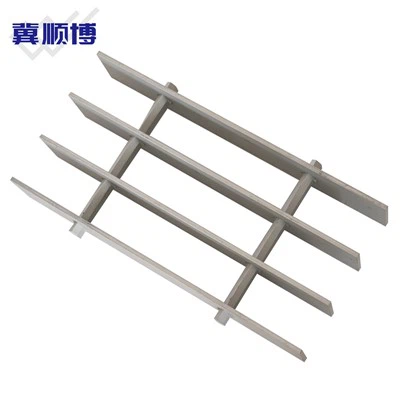
The design and geometry of the stainless steel grating are crucial factors in determining its fatigue resistance. Gratings with a well – designed cross – section and appropriate spacing between the bars can distribute the load more evenly, reducing the stress concentration at critical points.
For instance, a grating with a thicker bar and a smaller spacing between the bars can withstand higher cyclic loads compared to a grating with a thinner bar and a larger spacing. Moreover, the shape of the bars, such as flat bars or serrated bars, can also affect the fatigue performance. Serrated bars may provide better slip resistance but can also introduce stress concentrations if not properly designed.
Surface Finish
The surface finish of the stainless steel grating can have an impact on its fatigue resistance. A smooth surface finish reduces the likelihood of crack initiation by minimizing stress concentrations caused by surface irregularities. In contrast, a rough surface finish can act as a site for crack nucleation, especially in the presence of cyclic loading.
Surface treatments, such as polishing or passivation, can improve the surface finish of the grating and enhance its fatigue resistance. Passivation, in particular, can form a protective oxide layer on the surface of the stainless steel, which not only improves corrosion resistance but also helps to prevent crack initiation.
Testing the Fatigue Resistance of Stainless Steel Grating
To ensure the quality and reliability of stainless steel grating, it is essential to test its fatigue resistance. There are several methods available for fatigue testing, including:
Laboratory Testing
In a laboratory setting, specimens of the stainless steel grating are subjected to cyclic loading using a fatigue testing machine. The machine applies a controlled load at a specific frequency and amplitude, simulating the real – world conditions that the grating may encounter.
During the test, the number of cycles to failure is recorded, and the fatigue life of the grating is determined. This data can be used to evaluate the performance of different grades of stainless steel, manufacturing processes, and design configurations.
Field Testing
Field testing involves installing the stainless steel grating in an actual application and monitoring its performance over time. This method provides valuable information about the long – term behavior of the grating under real – world conditions, including factors such as environmental exposure, traffic patterns, and maintenance practices.
Field testing can help to identify any potential issues with the fatigue resistance of the grating and allow for adjustments to be made to the design or manufacturing process if necessary.
Applications and the Importance of Fatigue Resistance
The fatigue resistance of stainless steel grating is of utmost importance in many applications. Here are some examples:
Industrial Platforms
In industrial settings, stainless steel grating is commonly used for platforms, walkways, and catwalks. These structures are subjected to heavy foot traffic, as well as the movement of equipment and machinery. The fatigue resistance of the grating ensures that it can withstand the repeated loading without failing, providing a safe and reliable working environment for employees.
Bridge Decks
Stainless steel grating is also used in bridge decks, where it is exposed to the cyclic loading caused by the passage of vehicles. The fatigue resistance of the grating is crucial for maintaining the structural integrity of the bridge and preventing premature failure.
Marine Applications
In marine environments, stainless steel grating is used on ships, offshore platforms, and docks. The grating is exposed to harsh environmental conditions, including saltwater corrosion and wave action. The fatigue resistance of the grating, combined with its corrosion resistance, ensures that it can withstand the cyclic loading and the corrosive effects of the marine environment.
Conclusion
As a supplier of stainless steel grating, I understand the importance of fatigue resistance in ensuring the quality and reliability of our products. By carefully selecting the appropriate material, employing proper manufacturing techniques, and designing the grating with the application in mind, we can provide our customers with stainless steel grating that has excellent fatigue resistance.
Grating Accessories If you are in need of high – quality stainless steel grating for your project, I encourage you to contact us for a detailed discussion. Our team of experts can help you choose the right grating based on your specific requirements, including the expected cyclic loading, environmental conditions, and budget. We are committed to providing you with the best products and services to meet your needs.
References
- ASM Handbook Volume 19: Fatigue and Fracture, ASM International
- ASTM Standard E466 – 15: Standard Practice for Conducting Force – Controlled Constant – Amplitude Axial Fatigue Tests of Metallic Materials
- "Stainless Steel: A Technical Guide", The Nickel Institute
Hebei Shunbo Metal Wire Mesh Manufacturing Co., Ltd.
As one of the most professional stainless steel grating manufacturers and suppliers in China, we’re featured by quality products and good price. Please rest assured to buy high-grade stainless steel grating for sale here from our factory. Contact us for more details.
Address: No.66, Xicheng Avenue, West Zone, Economic Development Zone, Raoyang County, Hengshui City, Hebei Province, China
E-mail: info@steelgratingworld.com
WebSite: https://www.shunbosteelgrating.com/
