As a supplier of waterproof wall tile backer boards, I’m often asked about the materials that go into making these essential products. Understanding the composition of waterproof wall tile backer boards is crucial for anyone involved in construction and design, whether you’re a professional contractor or a DIY enthusiast. In this blog, I’ll delve into the various materials used in waterproof wall tile backer boards, their properties, and why they matter. Waterproof Wall Tile Backer Board
Cementitious Materials
One of the most common materials used in waterproof wall tile backer boards is cement. Cement-based backer boards are known for their strength and durability. Portland cement, a type of hydraulic cement, is a primary ingredient in many of these boards. When mixed with water, Portland cement undergoes a chemical reaction called hydration, which forms a hard and solid structure.
Sand is also added to the cement mixture to improve its workability and strength. The combination of cement and sand creates a matrix that provides a stable base for tile installation. In addition to sand, other aggregates such as perlite or vermiculite may be included to reduce the weight of the board while maintaining its structural integrity.
Cementitious backer boards are highly resistant to moisture and can withstand the high humidity levels typically found in bathrooms, kitchens, and other wet areas. They are also fire-resistant, making them a safe choice for use in residential and commercial buildings. However, they can be relatively heavy and may require additional support during installation.
Fiberglass
Fiberglass is another important material used in waterproof wall tile backer boards. Fiberglass strands are often embedded in the cementitious matrix to reinforce the board and improve its flexibility. This helps to prevent cracking and delamination, especially in areas prone to movement or vibration.
Fiberglass also provides excellent moisture resistance, as it does not absorb water like some other materials. This makes it an ideal choice for use in wet environments where water damage can be a concern. Additionally, fiberglass is non-combustible, which adds to the fire safety of the backer board.
The use of fiberglass in backer boards also enhances their strength-to-weight ratio. This means that the board can be relatively lightweight while still providing sufficient support for tile installation. Fiberglass-reinforced backer boards are easier to handle and install compared to some heavier cement-based alternatives.
Polystyrene
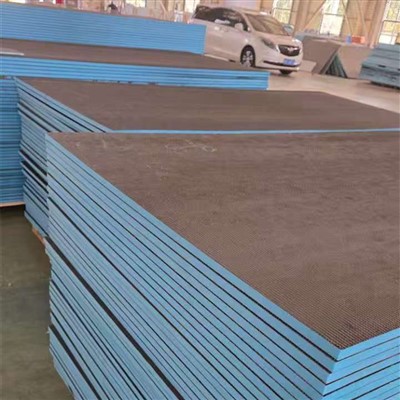
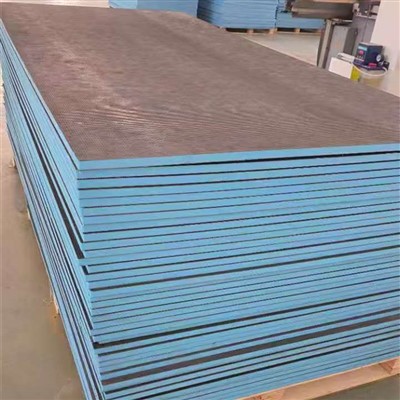
Polystyrene is a lightweight plastic material that is sometimes used in waterproof wall tile backer boards. Extruded polystyrene (XPS) is a popular choice due to its high insulation value and excellent moisture resistance. XPS backer boards are made by extruding a mixture of polystyrene resin, blowing agents, and other additives through a die to create a rigid foam board.
One of the main advantages of polystyrene backer boards is their low weight. They are much lighter than cement-based or fiberglass-reinforced boards, which makes them easier to transport and install. This can be particularly beneficial for large-scale projects where weight is a concern.
Polystyrene backer boards also provide good thermal insulation, reducing heat transfer through the wall. This can help to improve energy efficiency in a building, especially in colder climates. However, they may not be as strong as some other materials and may require additional support or reinforcement in high-traffic areas.
Magnesium Oxide
Magnesium oxide (MgO) is a relatively new material that is gaining popularity in the production of waterproof wall tile backer boards. MgO boards are made by combining magnesium oxide powder, magnesium chloride, and other additives to form a strong and durable panel.
MgO boards offer several advantages over traditional materials. They are highly resistant to moisture, mold, and mildew, making them an excellent choice for use in wet areas. They are also fire-resistant and can withstand high temperatures without releasing toxic fumes.
In addition to their moisture and fire resistance, MgO boards are lightweight and easy to install. They can be cut, drilled, and fastened using standard tools, which makes them a convenient option for both professional contractors and DIYers. MgO boards also have a smooth surface, which provides a good base for tile installation.
Comparison of Materials
Each of the materials used in waterproof wall tile backer boards has its own unique properties and advantages. Cementitious boards are known for their strength and durability, making them suitable for heavy-duty applications. Fiberglass-reinforced boards offer good flexibility and moisture resistance, while polystyrene boards are lightweight and provide excellent insulation. MgO boards combine the benefits of moisture resistance, fire safety, and ease of installation.
When choosing a waterproof wall tile backer board, it’s important to consider the specific requirements of your project. Factors such as the location of the installation, the type of tile being used, and the expected level of traffic or moisture should all be taken into account. Working with a knowledgeable supplier can help you select the right material for your needs and ensure a successful installation.
Why Choose Our Waterproof Wall Tile Backer Boards
As a supplier of waterproof wall tile backer boards, we take pride in offering high-quality products that are made from the best materials. Our boards are carefully engineered to provide superior performance and durability, whether you’re working on a small residential project or a large commercial development.
We use only the finest cement, fiberglass, polystyrene, and magnesium oxide in our manufacturing process. Our products are tested to meet or exceed industry standards for moisture resistance, strength, and fire safety. This means you can trust our backer boards to provide a reliable and long-lasting base for your tile installation.
In addition to our high-quality products, we offer excellent customer service. Our team of experts is available to answer your questions, provide technical support, and help you choose the right backer board for your project. We also offer competitive pricing and fast delivery to ensure that you get the products you need when you need them.
Waterproof Backer Board If you’re in the market for waterproof wall tile backer boards, we invite you to contact us to learn more about our products and services. Our team is ready to assist you with your next project and help you achieve the best results. Let’s work together to create a beautiful and functional space that will last for years to come.
References
- ASTM International. (Year). Standard Specification for Fiber – Cement Flat Sheets for Interior and Exterior Applications. ASTM C1288.
- National Tile Contractors Association. (Year). Handbook for Ceramic, Glass, and Stone Tile Installation.
- Building Science Corporation. (Year). Moisture Management in Buildings.
Address: Zhongze Village, Baohai Town, Tiantai County, Taizhou City, Zhejiang Province
E-mail: 906915688@qq.com
WebSite: https://www.yhhold.com/
