If you’ve ever driven past a waste incineration plant, you’ve probably noticed those tall, slender stacks gently releasing steam into the air—what most people don’t see is the entire, complex system working behind the scenes to make that emission safe. As a supplier of waste gas treatment equipment, I’ve spent the last 12 years supporting incineration facilities across North America to navigate tight environmental regulations, rising operational costs, and the constant need to balance efficiency with compliance. I’ve sat in control rooms with plant managers at 2 a.m. troubleshooting a sudden spike in dioxin levels, walked through installation sites to adjust ductwork layouts, and helped teams replace outdated equipment that was costing them thousands in annual fines. Today, I want to pull back the curtain on the actual waste gas treatment equipment that keeps these plants running legally, responsibly, and reliably. Waste Gas Treatment Equipment
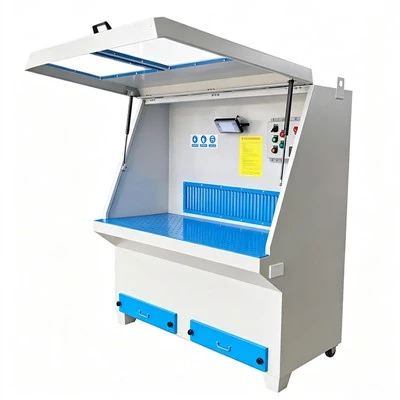
Let’s start with why incinerator waste gas is such a big deal. When municipal solid waste, medical waste, or industrial refuse is burned at temperatures between 800°C and 1,200°C, it breaks down organic material—but also releases a mix of pollutants: particulate matter (tiny ash particles), acid gases like hydrochloric acid (from plastic PVC), sulfur dioxide (from rubber and organic matter), nitrogen oxides (from high-temperature combustion), heavy metals such as lead and mercury, and trace amounts of persistent organic pollutants (POPs) like dioxins and furans. Each of these requires a specific piece of treatment equipment because one size rarely fits all. For example, a medical waste incinerator will have higher levels of pathogen-related contaminants, while a plant handling industrial waste may have more volatile organic compounds (VOCs) from solvents. The right setup depends on the plant’s waste type, local environmental rules, and capacity—but there are core pieces that every incinerator gas treatment system includes.
The first critical component, right after the combustion chamber, is the heat recovery steam generator (HRSG). I know what some plant operators might think: “That’s for energy production, not gas treatment.” But that’s a mistake. The raw waste gas coming out of the combustion chamber is often around 1,000°C—way too hot for downstream treatment equipment, which can only handle temperatures of 200°C or lower without sustaining damage. The HRSG doesn’t just cool the gas; it captures that excess heat to produce steam, which powers the plant’s own operations or even feeds into a local district heating network. I once worked with a 500-ton-per-day municipal plant in Ohio that upgraded from an old direct quench system to a modern HRSG and cut their annual natural gas costs by 18%—while also pre-treating their waste gas more gently, reducing wear on the downstream equipment. That’s the kind of win that makes everyone happy: lower costs, better treatment, and less environmental impact.
Next up, we have the acid gas control system. This is where we target the hydrochloric acid, sulfur dioxide, and other acidic compounds that would corrode downstream equipment and are heavily regulated by agencies like the EPA in the U.S. or the EU’s Industrial Emissions Directive. The two most common types here are dry scrubbers and semi-dry scrubbers, and which one you choose depends on the plant’s specific needs. Dry scrubbers use a dry alkaline powder—usually hydrated lime or sodium bicarbonate—that’s injected into the waste gas stream. The lime reacts with the acid gases, forming dry salts that are then removed later. Semi-dry scrubbers, on the other hand, mix the alkaline powder with water to create a slurry, which is sprayed into a chamber. The slurry reacts with acid gases, evaporates, and leaves dry salt particles behind. Dry scrubbers are simpler to operate, produce less wastewater, and work well for plants with consistent acid gas levels. Semi-dry scrubbers are more efficient when acid gas levels fluctuate, because the moisture helps the reaction happen faster. Last year, I helped a food waste incinerator in Michigan switch from a semi-dry scrubber back to a dry scrubber after they adjusted their waste mix to have far more consistent PVC levels—they cut their annual maintenance on the scrubber system by 25% and reduced their chemical use by 12%. That’s the kind of optimization I live for, not just selling equipment but matching it to the plant’s actual daily operations.
Once the acid gases are neutralized, we need to remove the solid particles—ash, unburned carbon, and the salt byproducts from the scrubbing step. That’s where dust filtration equipment comes in, and the gold standard here for incineration plants is the baghouse filter. A baghouse is a large enclosure filled with hundreds (or thousands) of fabric bags, made from specialized materials designed to withstand the slightly acidic, high-humidity environment of post-scrubber gas. The waste gas flows through the bags, and particles get trapped on the outside of the fabric. Periodically, the bags are “pulsed” with compressed air to shake off the collected dust, which falls into a hopper at the bottom to be disposed of safely or even reused in construction materials. I’ve seen too many plants cut corners on baghouse quality, buying cheap bags that tear after 6 months instead of lasting 2–3 years with proper maintenance. A friend of mine who manages a 1,000-ton-per-day plant in Pennsylvania once skipped upgrading to a high-temperature aramid bag in their baghouse and ended up with 100+ torn bags, leading to a spike in particulate emissions that resulted in a $120,000 EPA fine. That’s a costly mistake that underscores why investing in the right dust filtration equipment isn’t an expense—it’s a necessity. For plants that handle smaller volumes or have very fine particulate, we also work with cartridge filters or electrostatic precipitators (ESPs), which use electric charges to pull particles out of the gas. But for most large-scale incinerators, baghouses are the most reliable and efficient option.
Now for the tricky stuff: heavy metals and persistent organic pollutants like dioxins and furans. These are the contaminants that make incinerator gas treatment most complex, because they’re present in such tiny amounts but are extremely toxic. For heavy metals like mercury, lead, and cadmium, activated carbon injection (ACI) is the go-to solution. Powdered activated carbon is injected into the waste gas stream before the baghouse, and it adsorbs (sticks to its surface) heavy metal particles, as well as any trace dioxins or furans that didn’t burn out in the combustion chamber. The carbon, with its trapped contaminants, is then filtered out by the baghouse, so it doesn’t get released into the air. Dioxins and furans are especially tricky because they can form when the waste gas cools between 200°C and 400°C, a phenomenon called “de novo synthesis.” That’s why the design of the entire system—including how quickly the gas is cooled after combustion, and where the activated carbon is injected—matters as much as the equipment itself. I worked with a medical waste incinerator in New Jersey that was exceeding dioxin limits because their gas was taking too long to cool past that 200–400°C range. We adjusted their HRSG design to cool the gas from 1,000°C to 200°C in less than 2 seconds, and paired that with a revised activated carbon injection location. Within 3 months, their dioxin levels were 90% below the regulatory limit, and they haven’t had a violation since. That’s the kind of tailored solution that comes from years of knowing this equipment, not just reading about it in a manual.
Some plants, especially those handling highly toxic industrial waste, need an extra step for VOCs and any remaining trace pollutants. That’s where selective catalytic reduction (SCR) or non-thermal plasma (NTP) systems come in. SCR uses a catalyst (usually vanadium or titanium-based) to convert nitrogen oxides into harmless nitrogen and water vapor, and can also break down additional VOCs and dioxins. SCR is very efficient, but it requires the waste gas to be at a specific temperature (around 300–400°C) to work, so it’s usually placed after the HRSG and before the scrubber or baghouse, with a reheater if needed. NTP systems, on the other hand, use high-energy electrical fields to break down pollutant molecules into smaller, harmless compounds. They’re popular for smaller plants or facilities that handle variable waste streams because they can adjust to changing gas conditions more easily than SCR, though they’re slightly less efficient for large-scale operations. Last year, I helped a paint solvent incinerator in Illinois install an NTP system to handle their high VOC levels, and they saw a 95% reduction in total hydrocarbon emissions, which helped them expand their operations without needing a major overhaul of their existing system.
After all this treatment, the clean gas goes through a final check: continuous emissions monitoring systems (CEMS). CEMS are not just a regulatory box to check—they’re essential for keeping the plant running safely and legally. These sensors measure real-time levels of particulate matter, acid gases, nitrogen oxides, heavy metals, and dioxins, and send data directly to regulatory agencies in most regions. They also alert operators immediately if there’s a spike in pollutants, so they can shut down or adjust the system before a violation occurs. I’ve had more than one late-night call from a plant operator whose CEMS flagged an acid gas spike right as they were about to end their shift—being able to catch that before it becomes a fine is invaluable.
Now, I know what a lot of plant managers are thinking: “That’s a lot of equipment. How do I choose what I actually need?” The truth is, there’s no one-size-fits-all system. A small, 50-ton-per-day municipal waste incinerator will have a much simpler setup than a 1,000-ton-per-day industrial facility that handles hazardous waste. The key is to work with a supplier who can assess your specific waste type, your local regulations, your capacity goals, and your budget, then design a system that’s tailored to you. For example, if you’re a small hospital with a medical waste incinerator, you probably don’t need a full SCR system—activated carbon injection and a good baghouse will get you into compliance, while saving you money on unnecessary equipment. If you’re a large municipal plant serving 500,000 people, you’ll need the full suite: HRSG, dry scrubber, baghouse, ACI, SCR, and CEMS.
One thing I’ve learned in my 12 years in this industry is that cutting corners on waste gas treatment equipment almost always costs more in the long run. I’ve seen plants that saved a few thousand dollars on a cheap scrubber or low-quality bags, only to pay tens of thousands in fines, emergency repairs, or even costly shutdowns. Investing in reliable, properly sized equipment not only keeps you compliant—it reduces operational costs, extends the life of your system, and protects your community. The stacks you see on incineration plants? They’re not just for show—they’re the end of a long, careful process that keeps air clean, protects public health, and makes waste-to-energy facilities a viable part of the circular economy.

If you’re a plant manager, engineer, or operations director looking to upgrade your incinerator’s waste gas treatment system, or if you’re planning a new facility and need guidance on the right equipment, I’m here to help. We’ve supported hundreds of plants across the U.S. and Canada to meet and exceed environmental regulations, lower operational costs, and improve their emissions performance. Whether you need a full system design, replacement parts, routine maintenance, or troubleshooting for a sudden spike in pollutants, we have the expertise and equipment to get the job done right.
Dust Collector References
- U.S. Environmental Protection Agency. (2020). Municipal Solid Waste Incineration: Emission Guidelines and Compliance Times. EPA-456/R-20-002.
- European Commission. (2019). Industrial Emissions Directive (IED) Reference Document on Best Available Techniques for Waste Incineration. Final Draft.
- World Health Organization. (2017). Health and Environmental Effects of Waste Incineration: A Review. WHO Press.
- American Society of Mechanical Engineers. (2018). Standard for Waste Heat Recovery Steam Generators. ASME BPVC Section I.
- National Emissions Standards for Hazardous Air Pollutants (NESHAP). (2021). Subcategory of Municipal Solid Waste Incinerators. 40 CFR Part 60, Subclass Cb.
Ningbo Jialong Energy-saving and Environmental Protection Technology Co., Ltd.
As one of the most professional waste gas treatment equipment manufacturers and suppliers in China, we also support customized service. We warmly welcome to buy advanced waste gas treatment equipment in stock here from our factory. If you have any enquiry about quotation, please feel free to email us.
Address: Dong Village, Dongwu Town, Yinzhou District, Ningbo City, Zhejiang Province (No.63 Zhennan Road, Dongwu Town)
E-mail: Lin.cx@nb-jalo.com
WebSite: https://www.cnjialong.com/
