When I walk down the cleaning aisle at my local grocery store, I don’t just scan labels for surfactants or pH levels anymore. As a flavors and fragrances supplier with 12 years in this space, I find myself picking up the all-purpose cleaner with soft, linen-like scent, the dish soap that leaves a subtle citrus linger on my dishes, even the toilet bowl freshener that doesn’t make my eyes water halfway through cleaning. For years, there’s been a quiet debate in home care: are added scents just a marketing gimmick, or are they a functional, safe part of making our living spaces feel like home? The short answer, from everything I’ve seen and the science my team works with every day, is yes—when done right, flavors and fragrances in home care aren’t just nice to smell; they’re a carefully formulated, beneficial part of everyday products. Flavors & Fragrances
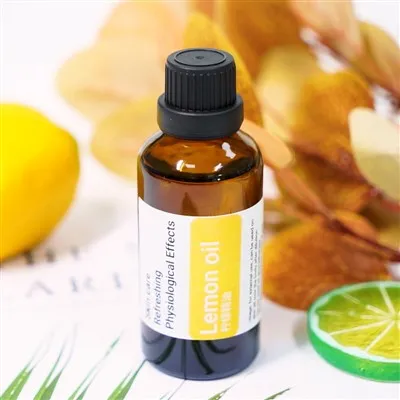
Let’s start with the basics: why do we add scents to home care in the first place? A lot of people assume it’s just to make products smell “good,” but there’s actual psychological and even practical reasoning here. When you’re mopping a floor or scrubbing a shower, a fresh, clean scent signals to your brain that the product is working, even when you can’t see the grime lifting. Studies from the Research Institute for Fragrance Materials (RIFM) have shown that consistent, pleasant scents in cleaning products can reduce perceived effort during cleaning, making chores feel less tedious. I’ve had customers tell me that their team members actually clean more thoroughly if the product has a scent they associate with cleanliness—there’s a reason lemon and pine have been staples in home care for decades, after all. Those scents aren’t random; they’re tied to our cultural understanding of what “clean” smells like. That psychological boost isn’t trivial, especially for people who do a lot of daily cleaning.
Now, the part that usually comes up first when someone asks if scents in home care are safe. I get it—we’ve all heard the warnings about “hidden fragrances” on labels, about unlisted chemicals. That’s why my team takes a science-first approach to every fragrance we develop for home care. The key here is that not all fragrances are created equal. A quality flavor and fragrance supplier doesn’t just pull a random oil from a shelf and add it to a cleaner. We work with the International Fragrance Association (IFRA), the global gold standard for fragrance safety, which sets strict limits on over 3,000 individual fragrance materials. Every single one of our products goes through rigorous testing for skin sensitization, toxicity, and environmental impact before it even reaches a client. For example, if a client wants a lavender scent for a laundry detergent, we don’t use a cheap lavender oil that could irritate sensitive skin. We blend natural and synthetic components that meet IFRA standards, test for stability in detergent formulas (so the scent doesn’t break down during the washing cycle), and confirm it won’t react with other ingredients in the product—like the surfactants in dish soap or the enzymes in an all-purpose cleaner.
A common misconception is that fragrances in home care are just for the final smell, but they actually serve a functional purpose too. Take laundry care, for example. A lot of people assume the scent in laundry detergent or fabric softener is just masking odors, but a well-formulated fragrance can actually bind to the fabric and provide long-lasting freshness. That means when you hang a towel in the bathroom, it doesn’t smell like stale moisture a few days later, or when you wear a cotton shirt to work, it retains a subtle fresh scent instead of odor. For hard surfaces, fragrances can act as a temporary odor neutralizer. I know that sounds obvious, but it’s more than just covering up bad smells—high-quality fragrance blends can chemically bind to volatile organic compounds (VOCs) that cause bad odors, neutralizing them instead of masking. Our team has worked on a multi-surface cleaner that uses a citrus fragrance blend to target and neutralize the odors from cooking grease and pet accidents, so the end result is a clean, fresh space instead of just a temporary smell.
Another angle that’s often overlooked is the difference between natural and synthetic fragrances in home care. A lot of consumers equate “natural fragrance” with safe, and “synthetic” with harmful, but that’s not a hard line. Natural fragrances can still cause skin irritation if they’re not properly processed—for example, pure essential oils like tea tree oil or cinnamon oil can be harsh on sensitive skin when used in high concentrations in cleaning products. Meanwhile, synthetic fragrance components, when formulated to IFRA standards, are often more stable, consistent, and less likely to cause reactions than low-quality natural extracts. At our company, we don’t pick sides; we blend natural extracts and synthetics based on what works best for the product’s purpose. If a client wants a soft, vanilla scent for a fabric refresher, we might use a small amount of natural vanilla bean extract paired with synthetic components that make the scent long-lasting and mild enough for sensitive noses. If a client needs a bright, fresh pine scent for a toilet cleaner, we might use a synthetic blend that avoids the harsh, turpentine-like smell that some people associate with pine cleaners.
Of course, there are caveats, and it’s important to be transparent about them. Fragrances aren’t for everyone—people with conditions like asthma or perfume sensitivity may need to avoid products with added scents, and that’s why quality home care brands also offer unscented options. But that doesn’t mean all scents are bad. The key is choosing fragrances that are properly formulated, tested, and labeled clearly for transparency. As a supplier, we work closely with our clients to provide documentation of every fragrance material we use, so they can share that information with their customers. That kind of transparency builds trust, and it’s something we prioritize over cutting corners.
I think about the projects my team has worked on over the years, and the feedback we’ve gotten from clients makes this work worth it. A few years ago, we partnered with a small, women-owned cleaning brand that wanted to launch a line of eco-friendly home care products. They were worried that adding scents would make their products less natural, and they were right to be concerned—many fragrance blends use non-biodegradable components that harm the environment. So we worked with them to develop a fragrance line that was 95% biodegradable, met IFRA safety standards, and used natural essential oils as the base. The product line sold out within three months of launch, and the brand told us that customers specifically cited the scents as a reason they chose their products over larger, conventional brands. That’s the kind of impact we’re here for—helping brands create products that people want to use, that are safe, and that work well.
Another example: during the pandemic, a lot of people were cleaning their homes more frequently than ever, and many complained that cleaning products left their hands dry and irritated. We worked with a hand soap brand to develop a mild citrus fragrance that was gentle on skin, so people could clean their hands without dealing with that tight, dry feeling. The fragrance was formulated to not strip the skin’s natural oils, and it left a subtle, fresh scent that made the ritual of hand washing feel less tedious during a stressful time. That’s when I realized how big the role of fragrances in home care really is—they don’t just change how a product smells; they change how we experience the act of cleaning, of taking care of our homes and the people we live with.
Let’s address one more common concern: environmental impact. A lot of people worry that fragrances are harmful to aquatic life if they get washed down the drain. That’s why every fragrance we develop includes a biodegradability assessment. We test each component to ensure it breaks down in water and doesn’t accumulate in the environment. For clients that focus on sustainable home care, we offer fragrance blends that are formulated to meet EU and US biodegradability standards, so they can market their products as eco-friendly without sacrificing scent performance. We also work to reduce waste in our own processes—we use packaging that’s recyclable, and we streamline our blending to minimize excess material, because sustainability is a two-way street for us.
At the end of the day, home care is about making your house feel like a home. The products you use to clean shouldn’t just get rid of dirt and germs—they should make you feel comfortable, calm, or refreshed when you’re using them. That’s where flavors and fragrances come in. They’re not an afterthought; they’re a core part of product development, one that requires careful science, collaboration, and a commitment to safety.
If you’re a home care brand looking to develop a new product line, reformulate an existing one with better scents, or just have questions about how fragrances work in home care, I’d love to connect. We can walk through your goals, talk about formulation options, and find solutions that fit your needs—whether you’re looking for natural blends, eco-friendly options, or something tailored to your target audience. The right fragrance can make a product stand out in a crowded market, and when it’s done right, it’s a win for your brand and your customers.
Food Additives References
- International Fragrance Association (IFRA). IFRA Standards 49th Amendment. 2023.
- Research Institute for Fragrance Materials (RIFM). Safety Assessment of Fragrance Materials Used in Consumer Products. 2022.
- U.S. Environmental Protection Agency (EPA). Biodegradability of Fragrance Ingredients in Domestic Wastewater. 2021.
- Journal of Environmental Psychology. The Effect of Cleaning Product Scents on Perceived Chore Effort and Mood. Vol. 68, 2020.
Guangzhou ZIO Chemical Co., Ltd.
As one of the most professional flavors & fragrances manufacturers and suppliers in China, our products have good reputation in the market. With abundant experience, we warmly welcome you to buy bulk flavors & fragrances for sale here and get free sample from our factory. For price consultation, contact us.
Address: 5th Floor, Building 1A, Runnong Business Center, No.2 Huangcun Road, Dongpu Town, Tianhe District, Guangzhou
E-mail: alice.liu@gzzio.com
WebSite: https://www.zio-ingredients.com/
