If you’ve ever walked a construction site—whether it’s a new housing development, a highway expansion, or a dam project—you probably haven’t given much thought to the workhorse machines going on behind the scenes. But I’m here to tell you: slurry pumps are the unsung heroes of almost every project that moves earth, mixes materials, or keeps sites running smoothly. As a slurry pump supplier who’s been in the game for years, I’ve seen firsthand how these machines aren’t just “pumps”—they’re the difference between a project that wraps up on time and one that gets derailed by clogged pipes, failed mixing, or dangerous site conditions. Let’s break down exactly what role these bad boys play in construction, and why every contractor should treat their slurry pump like the tool it is. Slurry Pump
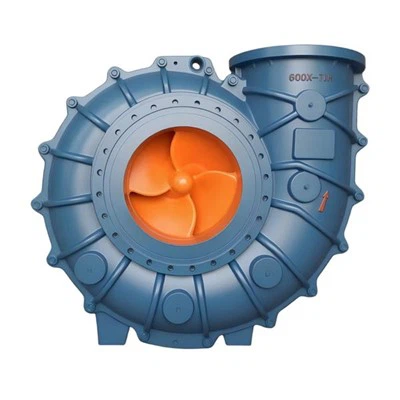
First off, let’s get what a slurry actually is straight, because if you mix up slurry with plain water, you’ll never get why these pumps matter. Slurry is a thick, messy mix of solid particles and liquid—usually water, but sometimes even chemicals depending on the job. Think wet concrete, mud and silt dug up during excavation, or even the mixture of gravel and water used in pipeline projects. Your standard water pump? It can’t handle that mix. It’ll get clogged, burn out its motor, and cost you thousands in repairs before lunch. Slurry pumps are built specifically to move that goopy, abrasive stuff without missing a beat. That’s their core job, but their roles go way deeper than just “moving mud.”
Let’s start with the most obvious construction use: excavation and dewatering. When you’re digging a foundation for a skyscraper or a basement for a residential home, you hit groundwater. If you don’t get that water out fast, your excavation fills up, gets unstable, and could even collapse. But it’s not just water—digging up dirt, rock fragments, and silt means you have a slurry on your hands. A regular sump pump can’t handle that heavy solid load, so you need a slurry pump. I’ve seen projects where a contractor tried to cut corners with a regular water pump, only to have it clog three times a day, delaying excavation by two weeks. Our slurry pumps are built with thicker impellers and wider openings, so they can move that slurry without stopping. Plus, some of our models are designed to handle high head—meaning they can pump slurry 100 feet up a trench wall, so you don’t have to clear a pipe every time it gets a little mucky.
Next up, concrete mixing and placement. Wait, you might think concrete mixers do all the work, but slurry pumps are key to large-scale concrete projects. For example, when you’re pouring a foundation for a big-box store or a highway overpass, you don’t just mix concrete on-site and wheel it over in buckets. Large projects require pumping concrete long distances—sometimes hundreds of feet horizontally or vertically. That’s where a concrete slurry pump (a specific type we supply, by the way) comes in. It’s engineered to move that high-strength, aggregate-heavy concrete mix without the solid particles separating, which would ruin the concrete’s structural integrity. If you have a slurry pump that’s too small or not built right, you’ll get segregation—aggregates sinking to the bottom of the pipe, leaving weak cement at the top. That’s a nightmare for structural integrity, and it’s one of the most common issues contractors reach out to us to fix. We even work with some big construction firms to customize slurry pumps for their specific concrete mixes, so they don’t have to deal with segregation or clogs mid-pour.
Then there’s dredging, which is a huge part of coastal construction, port expansions, and even maintaining lakes near build sites. Dredging is the process of removing sediment, silt, and debris from the bottom of rivers, harbors, or lakes to make space for ships, build bridges, or create new land. Slurry pumps are the backbone of dredging operations, because they have to pump that sediment slurry—sometimes with rocks as big as a basketball—up from depths of 50 feet or more. A dredge without a high-quality slurry pump is useless; you’ll spend all day scraping sediment off the bottom and then watching it clog your pipes. Our dredge slurry pumps are designed with heavy-duty materials like chrome alloy impellers, which stand up to the abrasive rock and sediment way longer than standard steel. I’ve talked to dredge operators who go through a new impeller every month with cheap pumps, but with ours, they can go six months or more without replacements. That saves them thousands in downtime and parts costs.
Another role that’s often overlooked: construction site waste management. Let’s be real, construction generates a ton of slurry waste—excess concrete washout, mud from grading, contaminated water from wet concrete curing. You can’t just dump that slurry in a landfill; it’s toxic to the environment, and most places have strict rules about disposing of construction waste. Slurry pumps let you pump that waste to a treatment facility or a containment pond on-site, where you can separate the solids from the water. The water can even be recycled back into mixing or excavation, which cuts down on water costs and waste. Some contractors don’t realize that recycling slurry reduces their overall project expenses by 20% or more—all thanks to a good slurry pump. I’ve had clients who used to haul slurry waste away in dump trucks every week, costing them $500 a trip, and now they use our slurry pumps to recycle 80% of it, saving tens of thousands over a project.
Wait, let’s not forget about underground construction—think tunnel boring or mine access tunnels. When you’re digging a tunnel, you have to remove the cuttings (the rock and dirt from the boring machine) and pump them out. That’s a slurry, and you need a pump that can handle high pressure and abrasive materials. Tunnel projects move millions of tons of cuttings, and if your slurry pump fails, you’re stuck with a tunnel full of muck, no way to move it out, and your entire grind stops. We’ve supplied slurry pumps for some of the big tunnel projects across the country, and the key there is reliability. These pumps run 24/7 for weeks at a time, so they can’t break down. Our models have built-in sensors that monitor temperature and pressure, so if something’s going wrong, it alerts the operator before it causes a full shutdown. That’s a game-changer for tunnel teams, who can’t afford to wait for repairs when they’re on a tight timeline.
Now, let’s talk about why picking the right slurry pump matters so much for your project. A lot of contractors buy the cheapest pump they can find, thinking “it’s just a slurry pump, right?” But that’s a mistake. Cheap pumps have thin impellers, small openings, and they break down way faster. When you’re in the middle of a pour or a dredge operation, downtime isn’t just an inconvenience—it costs you money. For example, a highway construction project that’s on a tight deadline might pay $10,000 a day in penalties if they fall behind. If your cheap pump clogs and you have to wait 8 hours for a replacement, that’s $50,000 down the drain. A good slurry pump (the kind we supply) might cost a few thousand more upfront, but it pays for itself in avoided downtime, fewer repairs, and better performance. I’ve had clients tell me that our slurry pumps paid for themselves in the first week of use, after their old pump broke and cost them a day’s work.
Also, different projects need different slurry pumps. You can’t use the same pump for a small residential foundation as you would for a large dredge operation. That’s why we work with contractors to figure out exactly what they need: what’s the slurry’s solid content, how far do they need to pump it, how high, and do they need it to run continuously? For small jobs, a portable slurry pump works great—you can tow it behind a truck, set it up at a foundation excavation, and move it when you’re done. For large projects, we have heavy-duty, skid-mounted pumps that can run 24/7 with minimal maintenance. Some even have variable speed drives, so you can adjust the flow depending on how much slurry you’re moving that day. That flexibility is key—too many suppliers sell one-size-fits-all pumps, but we tailor ours to each project.
Let’s also touch on safety, which is a huge part of construction that’s easy to miss. If you’re manually moving slurry—like shoveling mud out of an excavation or hauling concrete buckets—you’re exposed to back injuries, slip and falls, and even exposure to toxic materials in the slurry. Slurry pumps take that work off your hands, reducing the risk of workplace injuries. OSHA (the Occupational Safety and Health Administration) actually has guidelines for construction slurry handling, and using a proper slurry pump is a big part of meeting those guidelines. When you use a pump to move slurry, you don’t have workers standing in wet, unstable trenches or lifting heavy buckets, which cuts down on OSHA violations and keeps your team safe. That’s another role slurry pumps play: protecting your crew.
I’ve been in this industry long enough to see how many projects fail because of a single bad piece of equipment. A slurry pump might seem small, but it’s the link between excavation, mixing, waste management, and safe operations. Without it, you can’t pour concrete efficiently, you can’t keep excavations dry, and you can’t dispose of waste legally. It’s not a flashy piece of machinery like a crane or a bulldozer, but it’s just as essential.
If you’re a contractor who’s dealing with clogs, frequent pump breakdowns, or high waste disposal costs, chances are you’re using the wrong slurry pump. We specialize in matching contractors with the right pump for their project, no matter how big or small. Whether you’re working on a small residential foundation or a major highway expansion, we can help you find a slurry pump that’s reliable, cost-effective, and built to handle your specific slurry. We also offer maintenance plans to keep your pump running smooth, so you don’t have to worry about unexpected breakdowns mid-project.
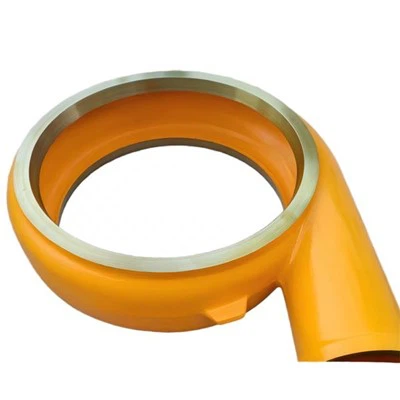
If you’re tired of your slurry pump holding your project back, reach out to us to chat about your needs. We can walk you through different models, answer any questions you have, and help you pick a pump that fits your budget and your project’s demands. Don’t let a cheap pump ruin your next build—let’s get you a slurry pump that works as hard as you do.
Sand Pump References
- Construction Industry Safety and Health Administration (OSHA). 2022. “Guidelines for Material Handling in Construction Sites.”
- Slurry Pump Industry Association. 2021. “Performance Standards for Construction Slurry Pumps.”
- National Aggregates Association. 2020. “Concrete Placement Efficiency and Pump Design.”
- Dredging Contractors of America. 2022. “Heavy-Duty Slurry Pump Requirements for Dredging Operations.”
- Construction Equipment Magazine. 2021. “Cost Analysis of Slurry Pump Selection for Commercial Projects.”
Shijiazhuang Ruite Pump Co., Ltd.
Shijiazhuang Ruite Pump Co., Ltd. is one of the most experienced slurry pump manufacturers and suppliers in China. Please rest assured to wholesale high quality slurry pump made in China here from our factory. For price consultation, contact us.
Address: Majuan village, Nandong town, Gaocheng, Shijiazhuang, China
E-mail: info@ruitepump.com
WebSite: https://www.rtslurrypump.com/
