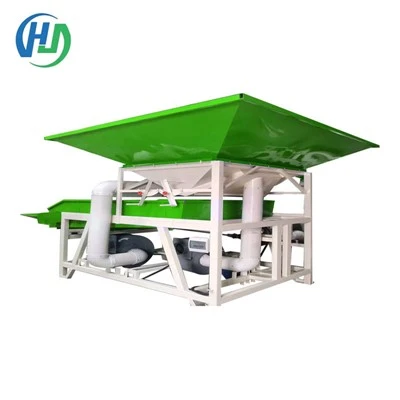
Clean peeling equipment is a vital asset in industries where product peeling is a critical process, such as the food processing and cosmetic manufacturing sectors. Ensuring its optimal performance not only guarantees the quality of the end – product but also contributes to cost – efficiency and operational safety. One key aspect of maintaining this equipment is understanding how often its parts should be replaced. Clean Peeling Equipment
General Considerations for Parts Replacement
The frequency of parts replacement in clean peeling equipment depends on multiple factors. Firstly, the intensity of use is a major determinant. Equipment that operates round – the – clock in a high – volume production facility will naturally experience more wear and tear compared to those used in a small – scale, intermittent operation. For example, in a large – scale fruit – peeling plant that processes thousands of kilograms of fruits daily, the peeling blades will face greater stress and abrasion.
Secondly, the type of material being processed also significantly impacts part durability. Some materials are more abrasive or corrosive than others. In the case of a vegetable – peeling system, hard – skinned vegetables like carrots or beets can cause more rapid wear on the peeling discs than softer fruits such as peaches. Similarly, acidic or caustic substances in the processing environment can corrode metal parts over time.
Another factor is the quality of the parts themselves. High – quality components, often made from advanced materials and with superior manufacturing processes, tend to last longer. However, they may also come at a higher upfront cost. As a supplier of clean peeling equipment, we always strive to offer a range of parts with varying quality and price points to meet different customer needs.
Specific Parts and Their Replacement Intervals
Peeling Blades
Peeling blades are at the heart of the peeling process and are subject to the most direct contact with the product. In general, for light – duty applications where the equipment is used for a few hours a day and processes relatively soft materials, the blades may need to be replaced every 2 – 3 months. However, in heavy – duty, continuous operations with abrasive materials, the replacement interval can be as short as 2 – 3 weeks.
Signs that the peeling blades need replacement include a decrease in peeling efficiency, where the product’s outer layer is not removed cleanly, or an increase in the amount of product loss during the peeling process. We recommend regular inspections of the blades for signs of dullness, chips, or excessive wear. Sharp blades not only ensure a better peeling result but also reduce the energy consumption of the equipment.
Conveyor Belts
Conveyor belts are used to transport the products through the peeling equipment. The lifespan of a conveyor belt depends on its construction, the weight and type of the products it carries, and the frequency of use. In a standard application, a well – maintained conveyor belt may last 6 – 12 months. However, if the products are heavy or have sharp edges that can damage the belt, the replacement interval may be shorter.
Signs of a worn – out conveyor belt include cracks, fraying at the edges, or excessive stretching. Regular cleaning of the conveyor belt is essential to remove debris and prevent premature wear. Additionally, proper tensioning of the belt can also extend its lifespan.
Motors and Gearboxes
Motors and gearboxes are the powerhouses of the clean peeling equipment. These components are generally more durable but still require periodic maintenance and replacement. In normal operating conditions, a well – engineered motor can last 3 – 5 years, while a gearbox may need to be replaced every 5 – 7 years.
However, if the equipment is exposed to harsh environments, such as high temperatures, humidity, or dust, the lifespan of these components can be significantly reduced. Regular lubrication and inspection of the motors and gearboxes for abnormal noises, vibrations, or overheating are crucial to detect early signs of failure.
Filters
Filters play an important role in maintaining the cleanliness of the equipment and the quality of the peeling process. Depending on the type of filter and the level of debris in the processing environment, filters may need to be replaced every 1 – 3 months.
Clogged filters can reduce the efficiency of the equipment, increase energy consumption, and even lead to damage to other components. Therefore, it is important to monitor the pressure drop across the filter regularly and replace it when the pressure reaches a certain threshold.
Maintenance and Inspection Practices
To accurately determine the optimal replacement intervals for the parts of clean peeling equipment, a comprehensive maintenance and inspection program should be in place. Regular visual inspections can help identify signs of wear, damage, or malfunction early. For example, a simple visual check of the peeling blades can reveal whether they are still sharp or if they have started to chip.
In addition to visual inspections, performance testing of the equipment can also provide valuable information. Measuring the peeling efficiency, throughput, and energy consumption of the equipment over time can help detect any changes that may indicate a need for part replacement.
We, as a clean peeling equipment supplier, offer training programs for our customers on proper maintenance and inspection procedures. Our technical support team is also available to assist customers in troubleshooting and determining the best time to replace parts.
Cost – Benefit Analysis of Parts Replacement
When considering the replacement of parts in clean peeling equipment, a cost – benefit analysis is necessary. While replacing parts too frequently can increase costs, delaying replacement can lead to reduced productivity, increased energy consumption, and even more expensive repairs in the long run.
For example, if a peeling blade is not replaced when it is worn out, it may cause the equipment to work harder, consuming more energy. Additionally, the poor peeling quality may result in a higher rejection rate of the final product, which can be a significant cost for the business.
On the other hand, investing in high – quality parts may have a higher upfront cost but can result in lower replacement frequencies and better overall performance. Our company provides detailed cost – benefit analysis tools to our customers to help them make informed decisions about parts replacement.
Conclusion
Determining how often the parts of clean peeling equipment should be replaced is a complex process that depends on multiple factors, including the intensity of use, the type of material being processed, and the quality of the parts themselves. By implementing a comprehensive maintenance and inspection program, performing regular performance testing, and conducting cost – benefit analyses, businesses can optimize the replacement intervals of parts and ensure the long – term efficiency and performance of their clean peeling equipment.
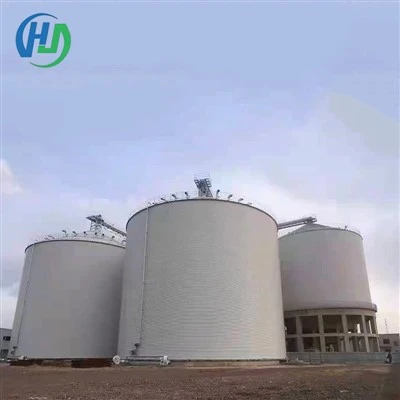
Grain Drying Tower As a leading supplier of clean peeling equipment, we understand the importance of reliable and efficient equipment in your operations. We are committed to providing high – quality parts and expert technical support to help you achieve the best results. If you have any questions or require further information about our clean peeling equipment and parts replacement, please feel free to contact us for a procurement discussion.
References
- "Maintenance and Reliability in Manufacturing" by Thomas A. Moubray.
- "Food Processing Machinery: Principles and Applications" by Pervaiz S. Mir.
- Industry whitepapers on peeling equipment maintenance from leading equipment manufacturers.
Henan Huinong Machinery Co., Ltd.
Henan Huinong Machinery Co., Ltd. is one of the most professional clean peeling equipment manufacturers and suppliers in China, featured by quality products and low price. Please rest assured to buy discount clean peeling equipment from our factory. We also accept customized orders.
Address: No. 6, Northeast Corner of the Intersection of Renmin Road and Zhujiang Road, New District, Huaxian County, Henan Province
E-mail: frank.tang@huinongmachinery.com
WebSite: https://www.huinongmachinery.com/
