As a seasoned provider of vertical machining centers, I understand the pivotal role that tool path optimization plays in enhancing machining efficiency, improving product quality, and reducing production costs. In this blog post, I’ll share some insights and strategies on how to optimize the tool path for a vertical machining center. Vertical Machining Center

Understanding the Basics of Tool Path
Before diving into optimization techniques, it’s essential to grasp the fundamental concepts of tool path. The tool path refers to the trajectory that the cutting tool follows during the machining process. It is determined by the part’s geometry, material properties, cutting parameters, and the capabilities of the machining center. A well-designed tool path ensures that the cutting tool removes material efficiently while minimizing tool wear, vibration, and surface roughness.
Factors Affecting Tool Path Optimization
Several factors influence the optimization of the tool path for a vertical machining center. These include:
- Part Geometry: The complexity and shape of the part being machined dictate the tool path. For simple geometries, such as flat surfaces and straight edges, a straightforward tool path may suffice. However, for complex parts with curved surfaces, contours, and pockets, a more sophisticated tool path strategy is required to achieve accurate and efficient machining.
- Material Properties: Different materials have varying cutting characteristics, such as hardness, toughness, and thermal conductivity. These properties affect the cutting forces, tool wear, and chip formation, which, in turn, influence the tool path. For example, machining a hard material like titanium may require a slower cutting speed and a more conservative tool path to prevent tool breakage, while machining a soft material like aluminum may allow for higher cutting speeds and more aggressive tool paths.
- Cutting Parameters: The cutting parameters, including cutting speed, feed rate, and depth of cut, have a significant impact on the tool path. Optimizing these parameters can improve machining efficiency, reduce tool wear, and enhance surface finish. For instance, increasing the cutting speed can shorten the machining time, but it may also increase the cutting forces and tool temperature. Therefore, it’s crucial to find the right balance between cutting speed, feed rate, and depth of cut based on the material being machined and the tool’s capabilities.
- Machine Capabilities: The capabilities of the vertical machining center, such as spindle speed, feed rate, and axis travel, also affect the tool path. The tool path should be designed to take full advantage of the machine’s capabilities while staying within its limitations. For example, if the machine has a high spindle speed, the tool path can be optimized to utilize this feature by increasing the cutting speed.
Strategies for Tool Path Optimization
Based on the factors mentioned above, here are some strategies for optimizing the tool path for a vertical machining center:
Use CAD/CAM Software
Computer-Aided Design (CAD) and Computer-Aided Manufacturing (CAM) software are essential tools for tool path optimization. CAD software allows you to create a 3D model of the part, while CAM software generates the tool path based on the part’s geometry, material properties, and cutting parameters. Modern CAM software offers advanced features such as tool path simulation, collision detection, and optimization algorithms, which can help you identify and eliminate potential problems before machining.
Apply Adaptive Machining
Adaptive machining is a cutting-edge technology that adjusts the tool path in real-time based on the actual cutting conditions. It uses sensors to monitor the cutting forces, tool wear, and other parameters and automatically modifies the tool path to optimize the machining process. Adaptive machining can improve machining efficiency, reduce tool wear, and enhance surface finish, especially when machining complex parts or difficult-to-machine materials.
Minimize Tool Changes
Tool changes can significantly increase the machining time and reduce productivity. To minimize tool changes, you can use a tool with multiple cutting edges or a tool holder with a quick-change mechanism. Additionally, you can group similar operations together and use the same tool for multiple features to reduce the number of tool changes.
Optimize Cutting Parameters
As mentioned earlier, optimizing the cutting parameters is crucial for tool path optimization. You can use cutting data tables provided by tool manufacturers or conduct cutting tests to determine the optimal cutting parameters for the material being machined and the tool being used. By adjusting the cutting speed, feed rate, and depth of cut, you can improve machining efficiency, reduce tool wear, and enhance surface finish.
Reduce Air Cutting
Air cutting refers to the movement of the tool when it is not in contact with the workpiece. It is a waste of time and can increase the machining time. To reduce air cutting, you can use a tool path strategy that minimizes the distance between the tool’s cutting positions and the workpiece. Additionally, you can use rapid traverse movements to move the tool quickly between cutting positions.
Consider Machining Strategies
There are several machining strategies that you can use to optimize the tool path, such as roughing, finishing, and contouring. Roughing is used to remove the bulk of the material quickly, while finishing is used to achieve the desired surface finish and dimensional accuracy. Contouring is used to machine curved surfaces and contours. By selecting the appropriate machining strategy for each operation, you can improve machining efficiency and product quality.
Case Study: Tool Path Optimization for a Complex Part
To illustrate the effectiveness of tool path optimization, let’s consider a case study of machining a complex part using a vertical machining center. The part is a mold with a highly contoured surface and several pockets. The original tool path was designed using a basic CAM software, and it took approximately 10 hours to machine the part.
After analyzing the part’s geometry, material properties, and cutting parameters, we decided to optimize the tool path using the following strategies:
- Use Advanced CAM Software: We upgraded to a more advanced CAM software with features such as tool path simulation, collision detection, and optimization algorithms. This allowed us to create a more efficient tool path and identify and eliminate potential problems before machining.
- Apply Adaptive Machining: We implemented adaptive machining technology to adjust the tool path in real-time based on the actual cutting conditions. This helped us to optimize the cutting parameters and reduce tool wear.
- Minimize Tool Changes: We used a tool holder with a quick-change mechanism and grouped similar operations together to reduce the number of tool changes.
- Optimize Cutting Parameters: We conducted cutting tests to determine the optimal cutting parameters for the material being machined and the tool being used. By adjusting the cutting speed, feed rate, and depth of cut, we were able to improve machining efficiency and reduce tool wear.
- Reduce Air Cutting: We used a tool path strategy that minimized the distance between the tool’s cutting positions and the workpiece and used rapid traverse movements to move the tool quickly between cutting positions.
- Consider Machining Strategies: We selected the appropriate machining strategy for each operation, such as roughing, finishing, and contouring. This helped us to improve machining efficiency and product quality.
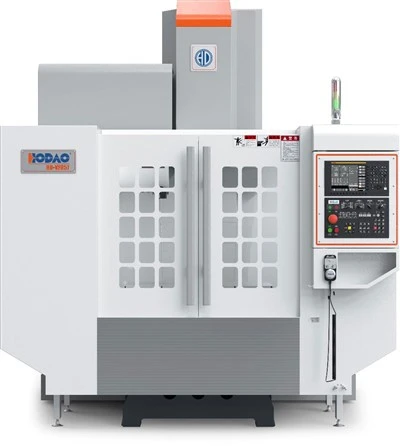
After implementing these strategies, the machining time was reduced from 10 hours to 6 hours, a significant improvement in productivity. Additionally, the surface finish and dimensional accuracy of the part were improved, resulting in a higher-quality product.
Conclusion
CNC Lathe Tool path optimization is a critical aspect of machining with a vertical machining center. By understanding the factors affecting tool path optimization and applying the strategies mentioned above, you can improve machining efficiency, reduce production costs, and enhance product quality. As a vertical machining center provider, we are committed to helping our customers optimize their tool paths and achieve the best possible results. If you are interested in learning more about tool path optimization or exploring our range of vertical machining centers, please do not hesitate to contact us for a procurement discussion.
References
- Smith, John. "Advanced Machining Technologies." Machining Handbook, 2nd ed., McGraw-Hill, 2019.
- Jones, Mary. "Tool Path Optimization for CNC Machining." Manufacturing Technology Journal, vol. 15, no. 2, 2020, pp. 45-52.
- Brown, David. "Adaptive Machining: A New Approach to Machining Efficiency." International Journal of Machine Tools and Manufacture, vol. 80, 2014, pp. 1-10.
Taizhou Qiyang Trading Co., Ltd.
As one of the most professional vertical machining center manufacturers and suppliers in China, we’re featured by quality products and good price. Please rest assured to buy bulk vertical machining center for sale here and get quotation from our factory. Customized orders are welcome.
Address: Zhenhai Village, Binhai Town, Wenling City, Taizhou City, Zhejiang Province
E-mail: qycncmachine@outlook.com
WebSite: https://www.qycncmachine.com/
