In the realm of industrial operations, the accurate measurement of wind parameters is crucial for a variety of applications, from ventilation system optimization to environmental monitoring. As a supplier of wind measurement systems, I often encounter inquiries about the suitability of our products in industrial settings with pollution. This post aims to delve into this question, exploring the challenges, solutions, and benefits of using wind measurement systems in polluted industrial environments. Wind Measurement System

Understanding the Challenges
Industrial settings with pollution present unique challenges for wind measurement systems. Pollutants such as dust, smoke, and chemical vapors can accumulate on the sensors, affecting their performance and accuracy. For example, dust particles can clog the intake ports of an anemometer, reducing the airflow and leading to inaccurate wind speed measurements. Similarly, chemical vapors can corrode the sensor materials, causing long – term damage and degradation of the sensor’s sensitivity.
Another challenge is the presence of corrosive gases in some industrial environments. For instance, in chemical manufacturing plants, gases like sulfur dioxide and hydrochloric acid can be present in the air. These gases can react with the metals and other materials used in the wind measurement sensors, leading to pitting, rusting, and ultimately, sensor failure.
In addition to sensor damage, the electrical components of the wind measurement system can also be affected by pollution. Dust and moisture can cause short – circuits or other electrical malfunctions, disrupting the normal operation of the system and potentially leading to data loss or inaccurate readings.
Solutions for Polluted Industrial Environments
Despite these challenges, there are several solutions that can enable wind measurement systems to be effectively used in polluted industrial settings.
Sensor Design and Materials
One of the key solutions is the use of appropriate sensor design and materials. For instance, sensors can be coated with a protective layer that is resistant to dust, chemicals, and corrosion. This coating can prevent pollutants from adhering to the sensor surface and protect the underlying materials from chemical attack.
In addition, the design of the sensors can be optimized to minimize the accumulation of pollutants. For example, some anemometers have a self – cleaning mechanism, where the rotation of the cups or vanes helps to shake off dust and other particles. Other sensors use a smooth, streamlined design to reduce the surface area where pollutants can accumulate.
Sealing and Enclosure
Proper sealing and enclosure of the wind measurement system can also help to protect it from pollution. The system can be housed in a robust, weather – proof enclosure that is designed to keep out dust, moisture, and corrosive gases. The enclosure can be made of materials such as stainless steel or fiberglass, which are resistant to corrosion and mechanical damage.
In addition, the seals around the enclosure should be of high quality to prevent the ingress of pollutants. Gaskets and O – rings can be used to create a tight seal between the different parts of the enclosure, ensuring that the internal components are protected.
Regular Maintenance
Regular maintenance is essential for ensuring the long – term performance of wind measurement systems in polluted industrial environments. Maintenance tasks may include cleaning the sensors, checking the seals, and replacing any worn or damaged components. By following a regular maintenance schedule, any issues can be detected and addressed early, preventing more serious problems from occurring.
For example, sensors can be cleaned using a soft brush or compressed air to remove dust and debris. The enclosure can be inspected for signs of damage or corrosion, and the seals can be checked for tightness. If any components are found to be damaged or worn, they should be replaced immediately to ensure the continued accuracy of the system.
Benefits of Using Wind Measurement Systems in Polluted Industrial Settings
Despite the challenges and the need for additional protective measures, there are significant benefits to using wind measurement systems in polluted industrial settings.
Process Optimization
Accurate wind measurement is essential for optimizing industrial processes. For example, in ventilation systems, knowing the wind speed and direction can help to ensure that fresh air is effectively distributed throughout the facility and that pollutants are efficiently removed. By adjusting the ventilation rates based on real – time wind data, energy consumption can be reduced, and the indoor air quality can be improved.
In addition, in some industrial processes such as drying, coating, and cooling, wind parameters can have a significant impact on the process efficiency. By monitoring and controlling the wind conditions, these processes can be optimized to improve product quality and reduce production costs.
Environmental Monitoring
Wind measurement systems are also valuable for environmental monitoring in industrial settings. They can be used to track the dispersion of pollutants in the air, helping to ensure compliance with environmental regulations. By measuring the wind speed and direction, the movement of pollutant plumes can be predicted, allowing for timely warnings and appropriate action to be taken.
In addition, long – term wind data can be used to assess the environmental impact of industrial operations. This information can be used to develop strategies for reducing emissions and improving the overall environmental performance of the facility.
Safety Improvements
In industrial settings, wind conditions can have a significant impact on safety. For example, strong winds can affect the stability of structures such as cranes, chimneys, and buildings. By monitoring the wind speed and direction, potential safety hazards can be identified in advance, and appropriate safety measures can be taken.
In addition, in the event of a chemical spill or other emergency, wind data can be used to determine the direction in which the pollutants are likely to spread. This information can be used to evacuate the affected area and to deploy emergency response resources effectively.
Conclusion
In conclusion, while industrial settings with pollution pose significant challenges for wind measurement systems, with the right design, protective measures, and maintenance, these systems can be effectively used in such environments. The benefits of using wind measurement systems in polluted industrial settings, including process optimization, environmental monitoring, and safety improvements, far outweigh the challenges.
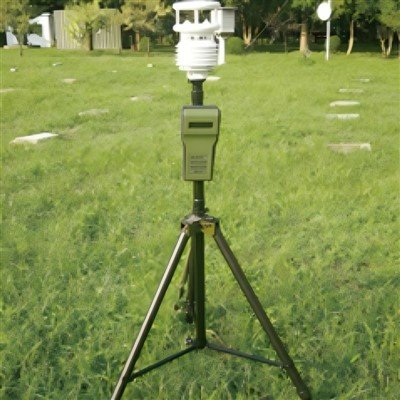
As a supplier of wind measurement systems, we are committed to providing high – quality products that are suitable for a wide range of industrial applications, including those with pollution. Our products are designed to withstand the harsh conditions of industrial environments and to provide accurate and reliable wind data.
Meteorological Instruments If you are looking for a reliable wind measurement system for your industrial facility, we invite you to contact us to discuss your specific requirements. Our team of experts is available to provide you with detailed information, technical support, and assistance in choosing the right system for your application. Let’s work together to ensure the efficient and safe operation of your industrial processes while protecting the environment.
References
- Foken, T. (2008). Micrometeorology. Springer.
- Cermak, J. E. (1975). Atmospheric boundary-layer winds and their application in wind engineering. Annual Review of Fluid Mechanics, 7(1), 249 – 292.
- Arya, S. P. S. (1999). Introduction to Micrometeorology. Academic Press.
Tianjin Blooming Technology Ltd.
Address: Main Building, No. 10 Wuhua Road, Huayuan Industrial Zone, Binhai High-tech Zone, Tianjin, China
E-mail: sales@blooming-tech.com
WebSite: https://www.blooming-tech.net/
