Hey everyone! Let’s talk about something I get asked about literally every single day at the cookware shop—my cast-iron casserole dish and whether it can go in the oven. I’m part of the team that sources, tests, and ships these things out, so I’ve seen every wrong move (and every perfect move) when it comes to cast iron in ovens. Let’s get real here, no fancy textbook jargon, just what actually works from someone who’s holding a spatula and a test pan at this very second. Cookware
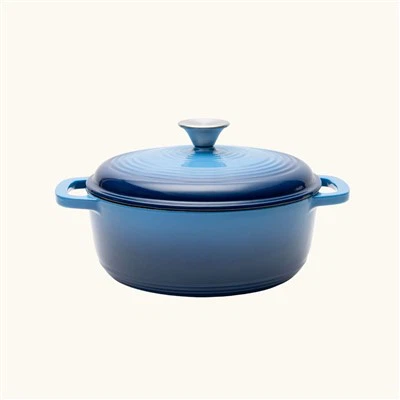
First off, let’s get the big myth out of the way right now: cast iron is oven-safe. Wait, hold on, don’t book that reservation for your regular stainless steel pan—this is specific to cast iron, and there are tiny details that make all the difference. Let’s start with the basics of how cast iron is made. It’s basically iron melted with a little carbon, right? That makes it way more durable than other metals, and its melting point is super high—like, way higher than any home oven can hit. Your standard kitchen oven maxes out at around 500-550°F (260-285°C), right? Cast iron’s melting point is closer to 2,200°F (1200°C), so that’s not even a blip on its radar. Most other pans, like non-stick or even thin stainless, start to break down at lower temps, but cast iron? It just shrugs off oven heat like a cat ignores vacuum cleaners.
But wait—before you toss your brand-new casserole straight into a 500°F Dutch oven bread bake, there’s the matter of seasoning. I can’t tell you how many times a customer has brought back a pan that’s “ruined from the oven” because they didn’t know how their seasoning holds up. Seasoning is that non-stick, black polymer layer you build up on cast iron by baking oil into it, right? Good, properly cured seasoning can handle oven temps too—again, up to that same point as the iron itself, so 500°F is totally fine. But if your pan is only lightly seasoned (like a cheap, unseasoned cast iron you picked up at a thrift store, or even a new one that hasn’t had a few rounds of oil and bake yet), you might start to see the seasoning break down if you crank it past 450°F. It’ll turn cloudy, maybe even flake a little. That’s not the end of the world—you just re-season it—but it’s something to keep in mind.
Now, let’s dive into what makes my team at the cookware company get excited about cast iron in ovens. It’s not just the heat tolerance. Cast iron holds heat so evenly, right? You can sear a steak on the stovetop to a perfect, crispy crust, then throw the whole thing (still in the pan!) into the oven to finish it off at a precise, even temp. No more transferring the steak to a tray that loses heat, no more juggling two pans. Same with casseroles—like that cheesy broccoli rice bake you make? Sear the rice and veggies on the stovetop to get a little browned edge, then slide the whole casserole straight into the oven to melt the cheese all the way through. It’s one-pan, less cleanup, and the flavor is way better because you’re not moving food around mid-cook.
Wait, but what about handles? That’s another huge one. I’ve seen so many people skip over the handle material and then burn their hands so bad they have to go to urgent care. Oven-safe handles don’t mean “you can hold this with your bare hands when it’s been in a 475°F oven for an hour.” That’s a mistake I made early on, testing a new casserole pan. The cast iron handle on the pan is oven-safe, but it conducts heat like crazy. If you have a basic cast iron casserole with no helper handle or an uninsulated grip, you absolutely need oven mitts or potholders—thick ones, not those thin cotton ones. Some of our premium lines have silicone or cast steel handles with a heat-resistant coating, and those can usually handle up to 500°F too, but still—don’t test that with your bare arm. I’ve got the burn scar to prove it.
Another question I get all the time: what about enameled cast iron? Because so many people mix regular cast iron and enameled cast iron, and that’s a key difference. Enameled cast iron is cast iron coated with a porcelain enamel layer, right? That’s even more oven-safe, usually up to 500°F too, but some high-end ones go to 550°F. The enamel doesn’t need seasoning, it’s non-stick right out of the box, and it doesn’t rust if you leave it wet. But wait—enamel is brittle. I’ve seen a customer drop their enameled casserole from a counter into the sink, and the chipped enamel was from that, not from the oven. The oven is actually gentler on enamel than sudden temperature changes. If you put a cold enameled casserole straight into a hot oven, that’s when it can crack. Same with pulling it out and setting it on a cold counter— that thermal shock is bad news. For regular cast iron, that thermal shock is less of an issue, but it’s still good practice to let it come to room temp before heating up, and set hot pans on a heat-resistant mat, not a cold marble counter.
Let’s get into some real-life scenarios that our customers ask about, because that’s what matters. Can I use my cast iron casserole for sourdough bread in the oven? Absolutely. That’s like the #1 use for cast iron casseroles these days. You preheat the whole pan (lid and all) in the oven at 450°F for 30 minutes, then lower the sourdough into it, put the lid on, and bake. The cast iron holds that steam perfectly, so your bread gets that crispy crust everyone obsesses over. Can I use it for a lasagna? Yeah, just make sure the lasagna isn’t dripping too much sauce onto the oven floor—use a baking sheet under it if you’re worried about mess. Can I broil with it? Wait, broiling is a different story. Most cast iron and enameled cast iron can handle broiling, but again—check the specs. Some lower-end cast iron might not, because broiler temps are super high, and the direct heat can make the seasoning or enamel break down. Our line all goes up to 550°F, so broiling is fine, but if you have an older pan, maybe test it with something small first, like melting cheese on bread, not a whole casserole.
Now, let’s talk about common mistakes people make, because these are the ones that make cast iron seem like it’s not oven-safe, when it’s actually user error. Mistake #1: Cranking the oven too high for an unseasoned pan. If your pan is new and you haven’t done the initial seasoning (which is just rubbing a thin layer of vegetable oil all over it, baking it upside down at 400°F for an hour, repeating 2-3 times), that thin layer of seasoning will flake if you put it at 500°F. Fix: Season it first, or stick to lower oven temps at first until you build up that layer. Mistake #2: Forgetting the handle. I swear, I’ve had three customers come back this month with burn marks on their forearms because they grabbed a hot cast iron handle with a dish towel. Get oven mitts, people. Mistake #3: Thermal shock. Putting a cold pan into a super hot oven, or pulling it out and setting it on a cold tile counter. That can crack the enamel on enameled cast iron, or even warp thin cast iron (though most good cast iron is thick enough to not warp, it’s still possible). Fix: If you’re preheating a pan for baking, turn the oven on while you prep whatever you’re making, not hours earlier. And use a wooden or silicone mat to set hot pans on.
Wait, what about cleaning? A lot of people avoid putting cast iron in the oven because they’re scared of getting it dirty, right? No judgment—cleaning cast iron can be a pain, but if you’re using it in the oven, it’s actually way easier than baking in a glass dish. If you get burnt-on food, you can put the whole pan in the oven at 350°F for 15 minutes, let the food soften, then scrape it right off with a wooden spoon. No soaking in soapy water for hours, no scrubbing that glass that’s stained for life. That’s another win for cast iron casseroles in the oven.
Now, let’s get to the part that matters for us, the cookware team. We test every single one of our cast iron casseroles before we ship them, and we put them through way higher oven temps than anyone would at home. We bake them at 550°F for hours, check for seasoning breakdown, handle heat, enamel cracking—everything. If it passes our tests, it’s oven-safe, no questions asked. But we always include a little card with each pan that says “follow these basic tips” because even the best pan won’t work if you use it wrong.
Wait, one more random question I get: can I put it under a broiler? Let’s clarify that. Broilers are usually at the top of the oven, and they blast direct, intense heat, unlike the even heat of regular baking. So while our cast iron casseroles are rated for broiling, we suggest keeping the pan at least 6 inches away from the broiler element. If you have an enameled one, make sure there’s no chip in the enamel, because direct broiler heat can cause that chip to get worse. And again—handle it with mitts. I can’t say that enough.
Is there any time you shouldn’t put your cast iron casserole in the oven? Let’s be real. If it’s a tiny, cheap cast iron pan that’s only meant for stovetop use—wait, no, even most of those are oven-safe up to 400°F or so. The only time I’d say avoid the oven is if it’s a cast iron accessory that’s not meant for cooking, like a small trivet or a decorative piece that’s coated with something that can’t handle heat. But your cooking casserole? Almost definitely oven-safe.
Let’s wrap this up with a quick, simple guide if you don’t want to read all the details. 1. Check your pan’s rating: Most cast iron is oven-safe up to 500°F, enameled up to 550°F. 2. Seasoned cast iron handles oven heat, unseasoned might need lower temps. 3. Never grab a hot cast iron handle bare-handed. 4. Avoid thermal shock (no cold pans into hot ovens, no hot pans on cold counters). 5. Broiling is fine as long as you keep distance from the element.
Now, if you’re in the market for a new cast iron casserole—whether for sourdough, lasagna, casseroles, whatever—hit us up. We’ve got a whole range of sizes, from small 2-quart ones for individual sides to big 7-quart ones for family meals, all tested to handle whatever oven use you throw at them. We’re here to answer any other questions you have, too—no question is too small, whether it’s about oven use, seasoning, cleaning, whatever. Just reach out and let’s chat.
Oh, and before I forget—when you do use your cast iron casserole in the oven, you’re gonna notice the difference right away. The flavor is deeper, the cleanup is easier, and that pan will last you decades if you take care of it. I’ve got a cast iron casserole my grandma gave me, and it’s been going in the oven for 40 years, still works like a charm. That’s the thing about cast iron—it’s not just a pan, it’s an heirloom. And it’s way more versatile than people give it credit for, especially when it comes to the oven.
Thanks for hanging out with me today, and don’t hesitate to get in touch if you want to learn more about our cast iron line, or any other cookware we have. We’re here to help you make the best meals possible, with the best tools. Catch you next time!
Serveware References
- National Kitchen and Bath Association. "Cookware Material Safety and Usage Guidelines." 2022.
- The Cast Iron Company. "Oven Safety for Cast Iron: Testing and Best Practices." 2023.
- U.S. Department of Energy. "Home Oven Temperature Ranges and Cooking Safety." 2021.
Wellwares (Shijiazhuang) Limited
Wellwares (Shijiazhuang) Limited is one of the most professional cookware manufacturers and suppliers in China, featured by quality products and good service. Please rest assured to wholesale customized cookware at low price from our factory.
Address: 12F, Huahai Universal Plaza, No. 199 Xinhua Road, Shijiazhuang.
E-mail: chloecui@wellwares.com
WebSite: https://www.wws-ceramic.com/
