If you’ve ever spent 20 minutes unrolling a yoga mat, settled into Tree Pose, and found yourself yanking at your leggings mid-flow because they’re either digging into your ribs or slipping down to your thighs, you know how quickly a perfect practice can derail. As someone who’s spent nearly a decade designing and testing yoga wear for real yogis (not just Instagram influencers in studio-sized spaces), I get that fit isn’t one-size-fits-all. It’s not just about how a piece looks on a hanger—it’s about how it moves with you through Cat-Cow, Warrior III, or that sweaty Vinyasa flow when your body’s warmed up and shifted into motion. Over the years, I’ve heard hundreds of customers say, “I just bought this online, but it’s not right” or “I’ve worn yoga pants for years, so I must know my size”—only to find out they’ve been dealing with a fit that’s either too tight, too loose, or somewhere in the uncomfortable middle. Today, I’m breaking down the science of yoga wear fit, the subtle signs most people miss, and what to look for when you’re picking the right pieces for your practice. No confusing size charts or jargon—just real, actionable stuff I’ve learned testing every fabric and seam in our lab and in real yoga classes. Yoga Wear
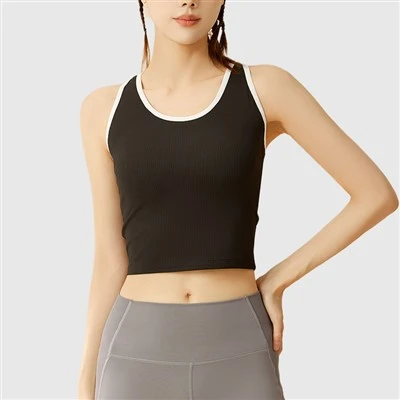
First, let’s get one thing straight: yoga wear is designed to work with your body, not against it. The best pieces stretch, move, and support, but they never constrict or distract. So how do you tell if yours is too tight? Let’s start with the obvious, but often overlooked, areas. For leggings or high-waisted bottoms, the waistband is the first clue. If it’s digging into your skin so hard that you have to pull it up every five minutes during class, or if you’ve got a deep red indent on your waist that takes 10 minutes to fade after practice, that’s a sign it’s too tight. I’ve seen customers size down because a size chart said their measurements matched, but that chart didn’t account for how fabrics stretch when you’re moving. Our team tests stretch tolerance in our lab: we aim for fabric that can stretch up to 30% of its original length without losing shape, which means it holds its support when you’re bending, but doesn’t squeeze so tight it restricts your breath. If you try a pair on, sit down and take a deep, full inhale—if you can’t fill your lungs all the way, the waist (or the fabric across your torso) is too tight. That’s a big one: yoga is rooted in breath, and if your clothes are getting in the way of that, they’re not yoga wear, they’re just leggings.
The same goes for the thighs and calves. If you’re doing Wide-Angle Seated Forward Fold and you feel the fabric pulling so tight across your thighs that you can’t fully straighten your legs, that’s too tight. I remember a customer coming back to our shop last year, saying her new leggings made her feel like she was wearing compression socks that were too tight—she could barely move her legs in Warrior II without the fabric binding. We checked the measurements: she’d ordered her usual size, but our fabric has more compression on the upper thigh to hold it in place during inversions, so we adjusted the pattern for that style. Another subtle sign of too-tight yoga wear is puckering or gaping at the seams. If you see fabric bunching at the knees or ankles when you’re in Downward Dog, that means the fabric is stretched too thin in those areas—it’s too tight in some places and not giving enough in others. Seams should lay flat against your skin, no pulling, no bulges, no twisting. If you’re adjusting the seams every few minutes, that’s a problem.
Now, what about too loose? That’s a less talked-about issue, but it’s just as disruptive. If you’re slipping down in mid-plank, or your top is riding up to expose your back during Bridge Pose, that’s a clear sign your pieces are too loose. But there are more subtle clues, too. For example, if you find yourself yanking your leggings down during a Warrior I, that’s not just “you have a curvy shape”—that’s a fit that’s not holding. When fabric is too loose, it doesn’t support your muscles during dynamic movements, which can lead to chafing or even make you less stable. I’ve had a student tell me she avoided Vinyasa flows because her old leggings would slip down so much that she was tripping over them mid-chaturanga. We found a pair of our high-waisted leggings with a wide, structured waistband that held in place, and she came back a month later saying she’d started doing Vinyasa again for the first time in two years. That’s the power of a good fit: it lets you focus on your practice, not your clothes.
Another sign of too-loose yoga wear is bunching at the crotch or the underarms. If you’re in Child’s Pose and you have extra fabric pooling between your legs, that’s not comfortable, and it can lead to friction as you move. For tops, if the sleeves are hanging loose at your wrists, or the hem is riding up when you raise your arms in Mountain Pose, that’s a fit that’s too big. I always tell people to hold their arms above their head when they try on yoga tops—if the hem creeps up more than an inch, it’s too loose. And let’s not forget about fabric weight: if your yoga wear is so loose that it’s thin enough to see through when you bend over, that’s a problem for both modesty and fit. A good yoga fabric should have enough body to drape comfortably, not hang like a sack.
Wait, but what if you’re between sizes? That’s the most common question we get at our studio and online. I’ve found that the best way to test fit is to move around in the clothes, not just stand in front of a mirror like you’re going to a party. When you try on a pair of leggings or a top, do these three things: first, do a few lunges and a Downward Dog—really extend your body, the way you would in class. Second, take three deep, full breaths, filling your lungs completely. Third, lift your arms overhead for 10 seconds, then lower them. If the fabric moves with you without pulling, digging, or slipping, it’s a good fit. If you’re still between sizes, go with the larger one. Most yoga fabrics are designed to stretch, so a slightly larger size will conform to your body as you move, whereas a too-small size will never give, no matter how much you wear it.
I also want to talk about fabric type, because that ties directly to fit. Not all yoga fabrics are created equal. For example, a high-compression fabric is great for hot yoga or dynamic Vinyasa, because it holds you in place and wicks away sweat. But if you’re doing slow, restorative yoga, that same high-compression fabric might feel too tight, because it’s designed to be firm. A lighter, more stretchy knit is better for restorative, because it’s soft and moves with you without squeezing. At our company, we test every fabric on a range of body types—from size XS to 3XL, from thin to curvy—to make sure the fit works for everyone. We’ve had customers tell us that before they found our leggings, they’d never found a pair that didn’t slide down, dig in, or get too tight when they bent. That’s why we put so much effort into pattern design, not just size charts.
Another common mistake people make: assuming that “yoga wear” is just for yoga. A lot of my customers wear their leggings for running, grocery shopping, or even work, and they come back saying, “Wait, these fit better than any other leggings I’ve ever owned.” That’s because we design every piece with multi-use fit in mind—they’re supportive enough for yoga, but comfortable enough for everyday wear. But that doesn’t mean you should buy a size up just because you want them to be “casual”—that would make them too loose for practice, which is where they were designed to perform best.
Let’s also address the myth that you have to have a “perfect” body to get a good fit. I’ve worked with so many customers who’ve told me, “I’m not curvy enough for this” or “I have thick calves, so leggings never fit right.” The truth is, good yoga wear is designed for all body types. Our leggings have a gusseted crotch to prevent bunching, and the thigh panels are cut to accommodate all calf sizes. We test every style on real people with real bodies, not just models, so we know what works for curves, straight legs, thick thighs, and all the shapes in between. The fit is personal, but it doesn’t have to be frustrating.
So, to sum up the key signs that your yoga wear is too tight: red indentations on the waist or hips, restricted breathing when you move, fabric pulling or binding during stretches, seams twisting or puckering, and inability to fully extend your limbs. Signs it’s too loose: slipping down mid-movement, fabric riding up over the torso or legs, bunching at the crotch or underarms, see-through fabric when stretching, and having to adjust the clothes every few minutes. If you’re between sizes, go larger, and always test the fit by moving, not just standing.
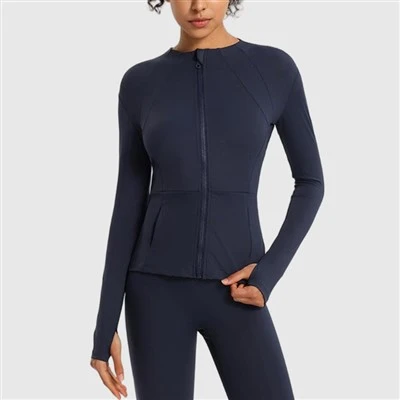
At the end of the day, yoga is about connection—connection to your body, your breath, and your practice. Your clothes shouldn’t be a distraction from that connection. They should support it, help you move freely, and make you feel comfortable, not self-conscious. If you’re tired of yoga wear that’s either too tight, too loose, or just not fitting right, we’re here to help. Our team can guide you to the perfect fit for your practice, body type, and style. Whether you’re shopping for leggings, tops, or mats, we take fit seriously because we know it makes all the difference in your yoga journey. If you’d like to learn more about our line, or chat through what works best for you, feel free to reach out to our team to discuss your needs. We’re always happy to help, because great yoga wear isn’t just about fabric—it’s about helping you focus on what matters: your practice.
Outdoor Wear for Men References
- American Council on Exercise. (2021). The Science of Activewear Fit: How Clothing Impacts Physical Performance. ACE Fitness Journal.
- Textile Institute. (2019). Stretch and Recovery Properties of Fabrics for Active and Athletic Apparel. Journal of Textile and Apparel, Technology and Management.
- International Journal of Yoga Therapy. (2020). The Impact of Comfortable Activewear on Yoga Practice and Mind-Body Connection.
- National Institute of Environmental Health Sciences. (2018). Skin Irritation Related to Ill-Fitting Compression Fabrics in Exercise Wear.
Faust Garment Co., Ltd.
As one of the most professional yoga wear manufacturers and suppliers in China, our products have good reputation in the market. We warmly welcome you to buy high quality yoga wear made in China here from our factory. Also, custom service is available.
Address: 6th Floor, North Wing of Hengxin Building, No.9, Chifeng Road, Quanzhou City, Fujian, China.
E-mail: Kathywang@faustgarment.com
WebSite: https://www.faustsport.com/
