Hey everyone, if you’re in the stone quarry game, you know how much a single machine breakdown can throw your whole operation off. I’ve been selling quarry machines for over 7 years now, and I can’t tell you how often new operators come to me complaining about unplanned downtime eating into their profits. The secret most folks don’t talk about? It’s not just buying a top-tier machine—it’s having solid monitoring systems in place to keep it running. Today, I’m breaking down exactly what those systems are, from the ones you might already be using to the advanced stuff that’s a total game-changer. Stone Quarry Machine
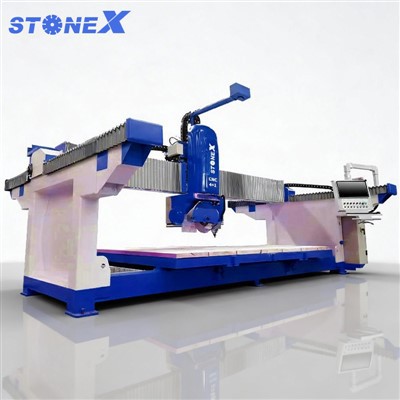
First, let’s start with the basics: what do quarry machines even do? We’re talking jaw crushers, cone crushers, vibrating screens, conveyor belts, drilling rigs—all these heavy-duty workhorses that handle tons of rock every hour. If any of these go down, you’re not just losing repair time; you’re losing material, missing delivery deadlines, and maybe even paying your workers to stand around. So monitoring systems aren’t a “nice-to-have”—they’re your operation’s safety net.
Let’s jump into the first type: Real-Time Machine Performance Monitors. These are the bread and butter for day-to-day ops. Back when I first started, these were just simple gauges on the side of the machine—you’d walk over, check the temperature, the RPM, the load, and hope nothing was out of whack. Now? We’ve got them hooked up to basic sensors that feed data to a little tablet or phone app. For example, a jaw crusher’s main shaft—if it’s spinning too slow or too fast, that’s a red flag. These monitors track things like motor current (if it’s spiking, that means it’s working too hard on a jammed rock), vibration levels, and operating temperature. Last quarter, one of my clients in northern Michigan had a cone crusher that was running at 110 degrees instead of the normal 85. The alert popped up on his foreman’s phone at 2 a.m., so he shut it down before the bearing seized up. Saved him $12k in emergency repairs and 3 days of downtime. That’s the kind of win these systems deliver.
Next up: Vibration Analysis Systems. This one’s a deep dive, but way more precise than basic performance monitoring. Vibration is like a machine’s heartbeat—small changes mean something’s wrong. Think about it: when a crusher is new, its vibration is consistent. Over time, a loose bolt, worn bearing, or misaligned shaft will throw that pattern off. There are two types we use: portable vibration sensors you can mount temporarily on high-wear parts (like the cone crusher’s mantle or the drill rig’s mast) and permanent IoT sensors that stick around 24/7. A lot of new operators ask me, “Why not just check the machine once a week?” Because by the time you see unusual vibration with a manual check, the damage is already done. I had a client in Texas who ignored a minor vibration alert on his vibrating feeder—turns out the drive shaft was starting to crack. If he’d kept running it, it would’ve snapped mid-shift, shutting down his whole plant. The vibration system caught it 2 weeks before that happened, so he swapped it during a scheduled maintenance stop. That’s the difference between reactive and proactive maintenance.
Then we have Load and Weight Monitoring Systems. Quarry machines move massive amounts of material, so knowing how much they’re carrying is key for two things: efficiency and safety. For example, conveyor belts—if they’re overloaded, they’ll stretch, burn out the motor, or even snap, which is a huge safety hazard for workers nearby. Load monitoring systems use load cells mounted under the conveyor’s idlers or on the hopper of a feeder to track how much material’s moving. Drilling rigs also use these to keep drill bits from biting too hard into the rock, which can break the bit or damage the rig. I once worked with a quarry in Georgia that was overloading their jaw crusher by 15% every day—they didn’t even notice, because they were just dumping rock in as fast as possible. The load monitor flagged it, and they adjusted their feeding rate. Suddenly, their crusher ran 20% more consistently, and they didn’t have to replace parts as often. That’s a direct impact on your bottom line.
Wait, can’t forget Environmental and Safety Monitoring Systems. A lot of people mix this up with machine performance, but it’s just as important. Quarries are dusty, noisy, and have heavy machines moving around, so safety isn’t optional. These systems track things like airborne silica dust (a huge health risk for workers), noise levels, and even gas leaks from diesel-powered machines. Some newer systems also have proximity sensors—they’ll alert a worker’s smartwatch if they get too close to a moving conveyor or drilling rig. Last year, one of my overseas clients had a near-miss where a worker wandered into a conveyor’s path. The proximity sensor went off, blared a loud alarm on the machine, and the foreman was notified instantly. That’s the kind of thing that keeps people safe and keeps you from paying workers’ comp claims. We’ve had clients who switched to these systems cut their safety incidents by 70% in the first year alone.
Now, the fancy stuff: Predictive Maintenance (PdM) Platforms. These aren’t just monitors—they’re data tools that pull info from all the other systems and use algorithms to predict when a part will fail. Let’s be real, no one wants to do maintenance when they’re in the middle of a big order. PdM takes all that real-time data (vibration, temperature, load) and tells you, “Your cone crusher’s bearing will need replacement in 10 days—schedule it during your next slow shift.” A lot of my clients were skeptical at first, but once they used it, they never went back. I had a client in Canada who used PdM for his entire line of machines. He went from doing unplanned maintenance 8 times a year to 2. That saved him over $50k in emergency repairs and lost production. The key here is that these platforms integrate with your existing systems—you don’t have to rip out all your current gear to use them.
Now, let’s talk about what doesn’t work. I see a lot of folks buying cheap, no-name sensors from Amazon or random vendors. Those don’t sync with your machines, the data is garbage, and you’ll get false alerts all the time that you’ll start ignoring. Also, don’t overdo it—if you’re a small quarry with 2 machines, you don’t need a full PdM platform. Start with basic performance monitors, add a vibration sensor on your worst machine, and go from there. I always tell new clients to start small, test a system for 3 months, and if it works, expand. No need to blow your whole budget on something you won’t use.
Another thing: training. A monitor is only as good as the person looking at it. If your foreman doesn’t know how to read a vibration alert or what a spike in motor current means, the system is useless. That’s why we offer free 2-hour training sessions for all our clients—we walk you through how to set up the app, what alerts mean, and how to adjust settings for your specific machines. Last month, a client in Arizona told me he almost deleted the vibration app because he was getting 10 false alerts a week. We adjusted the sensor sensitivity, and now he only gets 1 real alert a month. That’s the kind of support you don’t get from big-box suppliers.
Wait, let’s circle back to why this matters for your operation. Let’s do a quick breakdown: average unplanned downtime for a quarry is 10-15 hours a month. A solid monitoring system can cut that by 60%—that’s 6-9 extra hours a month of production. For a quarry running 24/7, that’s thousands of tons of extra stone, which equals thousands of dollars in revenue. And that’s before you even factor in safety, reduced repair costs, and happier workers.
If you’re still running your machines the way they were 10 years ago, it’s time to make a change. You don’t have to go all in tomorrow—just start with the monitoring system that fits your size and needs. Whether you’re a small 2-machine operation or a full 10-site quarry, we’ve got systems that work. We’ve installed everything from basic tablet-based performance monitors on single jaw crushers to full IoT platforms for large-scale operations, and we make sure everything fits your budget.
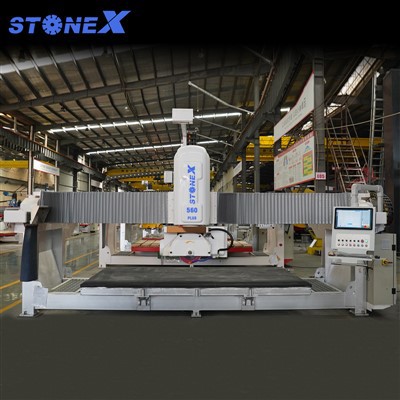
If you’re tired of unexpected breakdowns eating into your profits, or you’re worried about worker safety and compliance, hit us up. We can walk through your current setup, suggest the right monitoring systems for your machines, and even help with installation and training. No jargon, no hidden fees—just straight talk about keeping your quarry running smooth.
Block Cutting Machine References
- Mine Engineering. (2022). "Proactive Maintenance for Heavy Mining and Quarry Equipment." International Society of Automation Quarterly.
- OSHA. (2021). "Silica Dust and Machine Safety Monitoring in Construction and Quarries." Occupational Safety and Health Administration Technical Bulletin.
- Quarry Management Journal. (2023). "Vibration Analysis as a Predictive Tool for Crusher and Screen Reliability." Global Aggregate Industry Report.
- IoT in Heavy Equipment. (2022). "Cost-Benefit Analysis of Predictive Monitoring Systems for Small-Scale Quarries." Industrial Internet Consortium Case Study.
Nantong Huayi Intelligent Equipment Co., Ltd.
Address: Dongsheng Stone Industry Park, Changjiang Town, Rugao City, Jiangsu Province, China
E-mail: claire@hualongm.com
WebSite: https://www.hystonemachinery.com/
