If you’ve ever shopped for bib pants—whether for work on a farm, a construction site, or even a casual weekend DIY project—you’ve probably wondered about their fit. As a bib pants supplier who’s been in this game for over a decade, I get it. A lot of people assume all bib pants are cut the same, like one size fits all, but that’s just not true. The short answer is yes, bib pants do have specific fit types: regular, slim, relaxed, and even loose, each designed for different bodies and needs. Let me break this down because it’s way more important than you might think, especially if you’re buying in bulk for your team or stocking up for yourself. Bib Pants
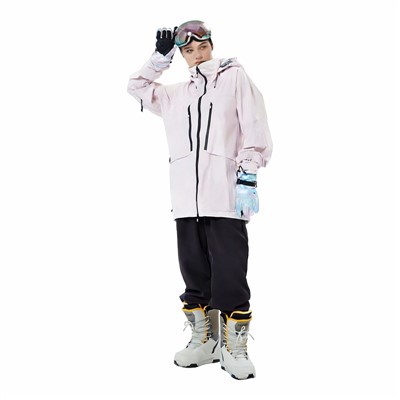
First, let’s talk about where these fit types come from. Back in the day, bib pants were functional, not fashion-forward. Farmers and dock workers needed something tough that could move with them, so they were cut roomy enough to wear layers in cold weather. But over time, as more industries adopted them—construction, landscaping, even snowboarding gear—brands started refining fits to match specific use cases. That’s when regular, slim, and relaxed fits popped up. As a supplier, I’ve seen first-hand how mixing up fits can lead to big problems. A construction worker who needs to climb ladders won’t want a pair that’s too baggy (it can catch on things), but a rancher working in subzero temps will need room for thermals. That’s why we started labeling each fit clearly a few years ago—way more suppliers should do that.
Let’s start with regular fit, which is probably the most common. Regular fit bib pants are the middle ground—snug but not tight, roomy enough for layers but not so baggy that they get in the way. The waist sits at the natural waist, not too high (like a pair of trousers) or too low (like some slim fits). The legs taper a little from hip to ankle, so they’re not wide enough to bunch at the boots but not narrow enough to restrict movement. Why is this so popular? It works for almost everyone. Most of our regular fit orders go to landscaping and small construction companies—teams that do a mix of heavy lifting, walking, and working in varying temperatures. I once had a farmer tell us regular fit was perfect because he could wear flannel underneath in winter and shorts in summer, no need to buy separate pairs for each season. That’s the sweet spot, right?
Then there’s slim fit, which has gotten way more mainstream over the last 10 years. Slim fit bib pants are cut closer to the body—sitting a little lower at the waist, with legs that taper sharply from hip to ankle. They’re not skin-tight, but you won’t have extra fabric flapping around. A lot of people think slim fit is just for looks, but there’s a functional side too. Roofer teams, for example, love slim fit because baggy bib pants can catch on shingles or ladder rungs, which is a safety hazard. Slim fit also looks a bit more polished for sites where you might have client walk-throughs, so some companies prefer it for brand consistency. The only catch? Slim fit isn’t for everyone. If you’re carrying extra layers, especially bulky ones like thermals or work sweaters, you’ll want to size up. I’ve had customers come back saying slim fit felt too tight in the thighs—turns out they were using it for winter work without planning ahead. That’s why we make sure to add a note on each product page: slim fit runs smaller, so size up for layers.
Wait, what about relaxed fit? A lot of people mix this up with regular, but they’re different. Relaxed fit is the roomiest of the common fits—wide legs, a waist that sits just above the hips, and enough space for multiple layers. This is for people who work in extreme cold: livestock ranchers, ice fishermen, or workers in refrigerated warehouses. Our relaxed fit bibs also have extra room in the seat and thighs, which is great for people who sit a lot (like farm equipment operators) or need to bend a lot without feeling restricted. I remember one order from a snow plow company last winter—they bought 50 pairs of relaxed fit because their drivers said regular fit felt too tight when they had their parka zipped up. The downside? Relaxed fit can be a bit heavy in warm weather, and the legs might bunch at the ankles if you don’t have tall boots. That’s why we always ask buyers where the bibs are going before we recommend a fit—location matters as much as body type.
Now, let’s talk about how suppliers get these fits right. It’s not just guessing—we use body measurements that align with industry standards. For example, regular fit men’s bib pants usually have a 16-18 inch thigh circumference, a 32-34 inch inseam, and a waist that matches standard pant sizes. Slim fit is 14-16 inch thighs, same inseam, with a waist that sits 1-2 inches lower. Relaxed fit is 18+ inch thighs, same inseam, waist sitting at the natural waist for extra support. We also test every fit with real users, not just in a factory. Last year, we had a group of construction workers test our slim fit lines and they told us the ankle was too narrow for their work boots, so we widened the ankle opening by half an inch. That’s the kind of detail that makes a fit actually work.
A common mistake I see is suppliers labeling “one size fits all” bib pants, which is a myth. Even if you adjust the waist with a drawstring, the leg length and thigh width won’t match different body types. A 6’4” worker will need a longer inseam than someone who’s 5’6”, and a worker with larger thighs will need a wider leg. As a supplier, we carry multiple inseams (30, 32, 34 inches) for each fit, so you can get the right length, and multiple waist sizes. That’s why regular, slim, and relaxed fits matter—they’re tailored to balance comfort, functionality, and body type.
Another thing to consider: bibs with built-in features can change how a fit works. For example, bibs with reinforced knee pads add bulk, so if you’re buying slim fit, you might need to size up to make room for those. Bibs with suspenders that are adjustable also help, but the core fit (regular vs slim) will still determine how the bib sits. I’ve had customers ask if their favorite tee will fit under slim bibs—usually a standard tee works, but a heavy work tee might be tight. Regular fit is the most forgiving here, which is why it’s still our top seller for general use.
Let’s talk about who should pick which fit. If you’re working in a job where safety is key (climbing ladders, working with machinery), slim fit is a good bet to avoid snagging. If you’re in extreme cold or need to wear bulky layers, go with relaxed. If you’re doing a mix of jobs and don’t want to buy multiple pairs, regular fit is the way to go. For women, most of our fits are the same, but we carry women-specific cuts that have a slightly narrower waist and shorter inseam, since women’s body types are different. I know a lot of suppliers don’t differentiate, but we do because it makes a huge difference—no more pulling up tight bibs all day.
What about when you’re buying in bulk? As a supplier, I can tell you that the biggest complaint from teams is ill-fitting bibs. If you buy the wrong fit, workers won’t wear them, which is a waste of money. A construction foreman told me once that he wasted $2,000 on slim fit bibs for his team, and half of them didn’t use them because they couldn’t fit their work boots. That’s why we offer free fit consultations for bulk orders—we can ask about the job site, the weather, and the workers’ body types to recommend the right fits. It’s a small step, but it saves everyone a headache later.
I’ve also seen a shift in fit preferences over the last few years. More people are moving away from super baggy bibs (what we call “workwear vintage” style) because they’re too hot in summer and a safety risk. Slim fit is growing in popularity among younger workers who want something that looks good both on the job and when they go out after work. Relaxed fit is still going strong for workers in cold climates, though. It’s not just a trend—fits are driven by what people actually need.
So, to circle back to the original question: do bib pants have a specific fit type? Absolutely. They’re not a one-size-fits-all item, and the fit type isn’t just a marketing gimmick. It’s about functionality, comfort, and safety. As a supplier, we’ve spent years refining our fits to match what real workers need, because at the end of the day, a good pair of bib pants should let you focus on the job, not adjusting your clothes.

If you’re in the market for bib pants—whether for your team, your farm, or your own work—don’t just grab the first pair you see. Think about the fit: what’s the weather like where you work, what’s the job, and do you need room for layers or safety gear? And if you need help figuring out which fit is right for you, reach out to us—we’re here to chat, no pressure. We can walk you through the options, send fit guides, and make sure you get bib pants that work for your exact needs. No fancy sales pitches, just real advice from people who’ve been in the bib pants game for a long time.
Bib Pants References
- Occupational Safety and Health Administration (OSHA). "Personal Protective Equipment for Construction Work." 2022.
- National Workwear Association. "2023 Workwear Fit Preferences and Trends Report."
- International Organization for Standardization (ISO). "Workwear Sizing and Fit Standards." ISO 13688:2013.
- U.S. Department of Agriculture (USDA). "Farm Workwear Best Practices for Comfort and Safety." 2021.
Onroad Sportswear Co., Ltd.
We’re well-known as one of the leading bib pants manufacturers in China, featured by quality products and good service. Please feel free to buy customized bib pants made in China here from our factory. Also, samples are available.
Address: No. 501, A Block, Longtian Industry Area, Shilong, Dongguan, Guangdong, PRC. China
E-mail: Tracy.yi@onroad-sports.com
WebSite: https://www.orsoutdoor.com/
